
-
Read 338
-
0
-
Part 26
Completed, First published Mar 02, 2026
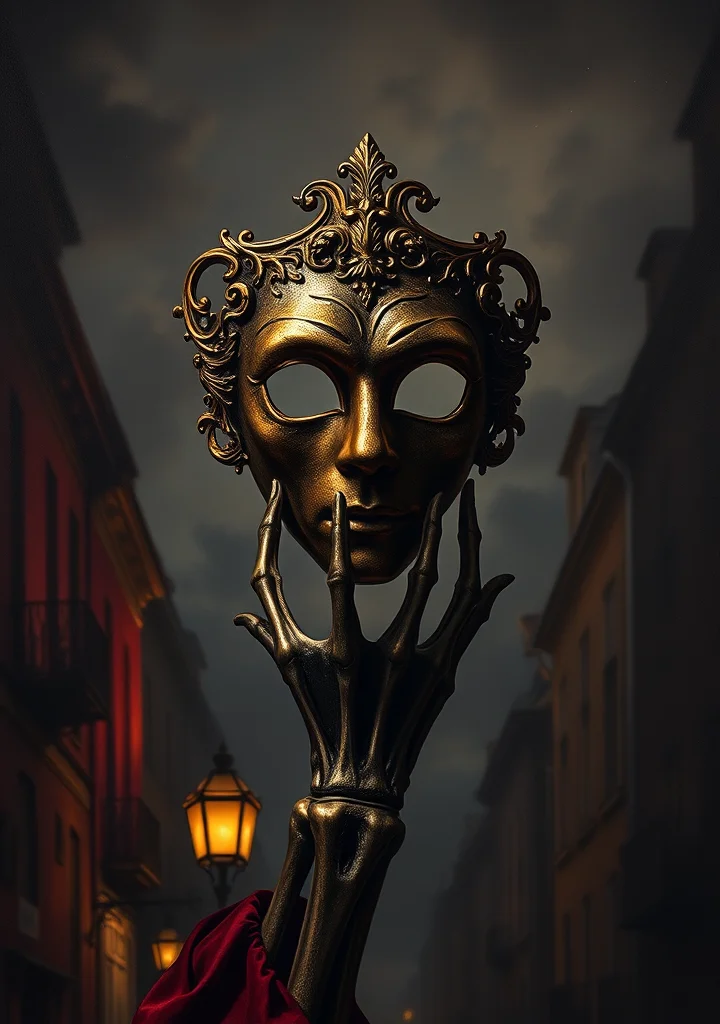
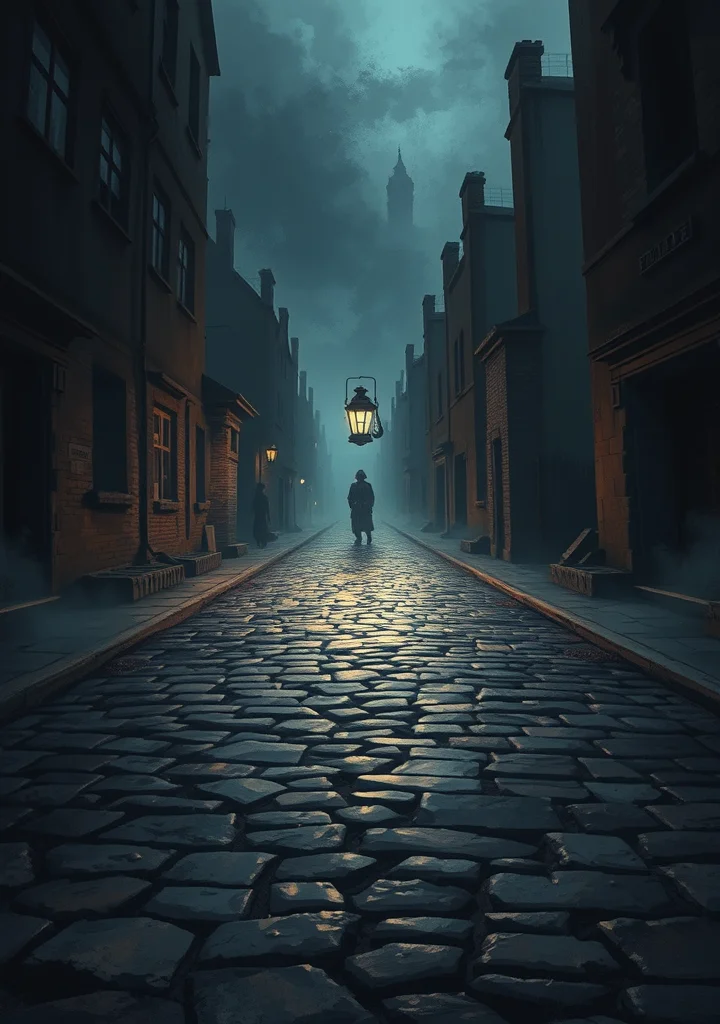
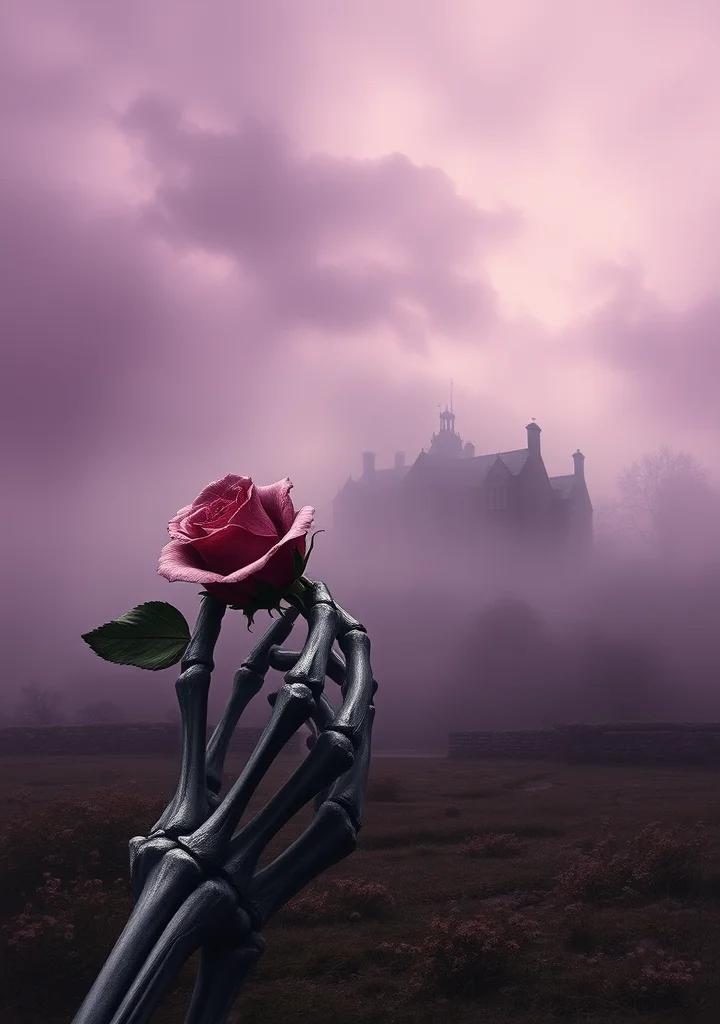
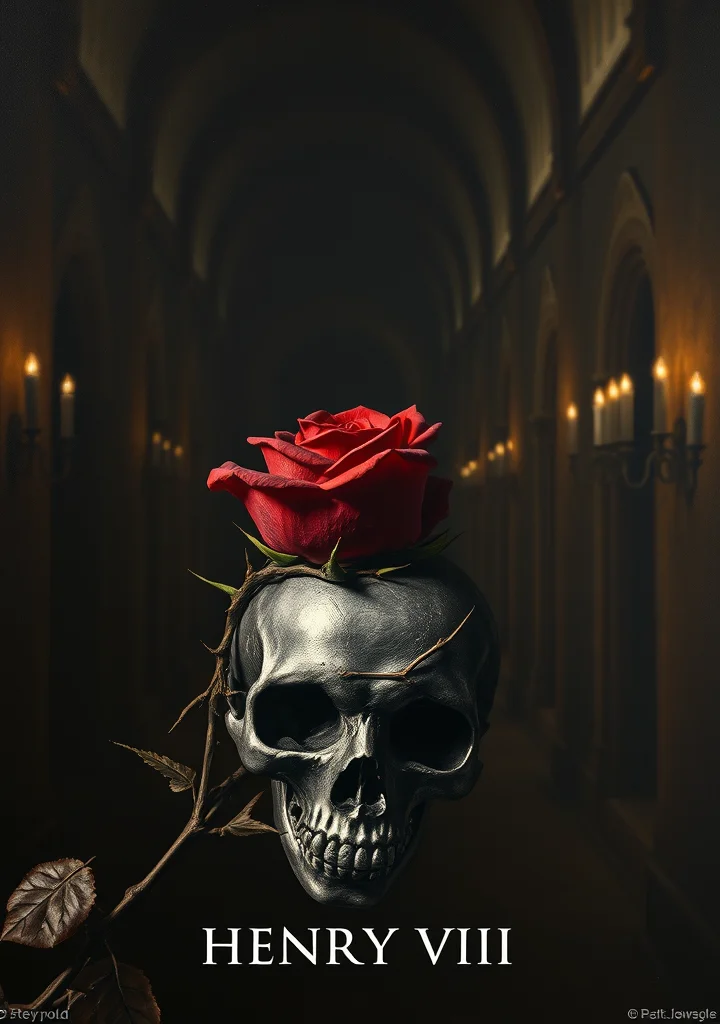
A creeping dread clings to the stone corridors of a kingdom fractured by desire and shadowed by consequence. The air hangs thick with the scent of rosemary and regret, a perfume woven from whispered accusations and the rustle of silk shrouds. This is not a tale of kingship won, but of a heart devoured – a man’s dominion built upon the graves of wives and the suffocating weight of ambition. Every gilded chamber echoes with the phantom cries of discarded queens, their portraits bleeding into the encroaching darkness. The play unfolds like a slow poisoning, a suffocating ritual of power where loyalty is measured in stolen glances and the weight of a crown presses down like a tombstone. Betrayal blooms in the gardens, twisting amongst the roses, and the very foundations of the castle seem to weep with the salt of broken vows. The specter of Anne Boleyn’s severed neck haunts the corridors, a chilling reminder of the price of a king’s obsession. A suffocating claustrophobia descends, mirroring the king’s own insatiable appetite for control, until the very air itself feels laced with the metallic tang of blood and the ghostly chill of lost innocence. The narrative seeps into the bone, leaving a lingering taste of ash and the hollow ache of a kingdom consumed by its own ravenous hunger.
Copyright: Public Domain
This license allows anyone to use your story for any purpose, including printing, selling, or adapting it into a film freely.
This license allows anyone to use your story for any purpose, including printing, selling, or adapting it into a film freely.
Chapter List
-
« HenryVIII »📖 Continue Reading
-
« Dramatis Personae »
-
« Prologue »
-
« ActI »
-
« SceneI »
-
« SceneII »
-
« SceneIII »
-
« SceneIV »
-
« ActII »
-
« SceneI »
-
« SceneII »
-
« SceneIII »
-
« SceneIV »
-
« ActIII »
-
« SceneI »
-
« SceneII »
-
« ActIV »
-
« SceneI »
-
« SceneII »
-
« ActV »
-
« SceneI »
-
« SceneII »
-
« SceneIII »
-
« SceneIV »
-
« SceneV »
-
« Epilogue »
26
-
« HenryVIII »
-
« Dramatis Personae »
-
« Prologue »
-
« ActI »
-
« SceneI »
-
« SceneII »
-
« SceneIII »
-
« SceneIV »
-
« ActII »
-
« SceneI »
-
« SceneII »
-
« SceneIII »
-
« SceneIV »
-
« ActIII »
-
« SceneI »
-
« SceneII »
-
« ActIV »
-
« SceneI »
-
« SceneII »
-
« ActV »
-
« SceneI »
-
« SceneII »
-
« SceneIII »
-
« SceneIV »
-
« SceneV »
-
« Epilogue »
More like this