
The Black Arrow
  • 206
  • 0
  • 40
  • Reads 206
  • 0
  • Part 40
Completed, First published Mar 02, 2026

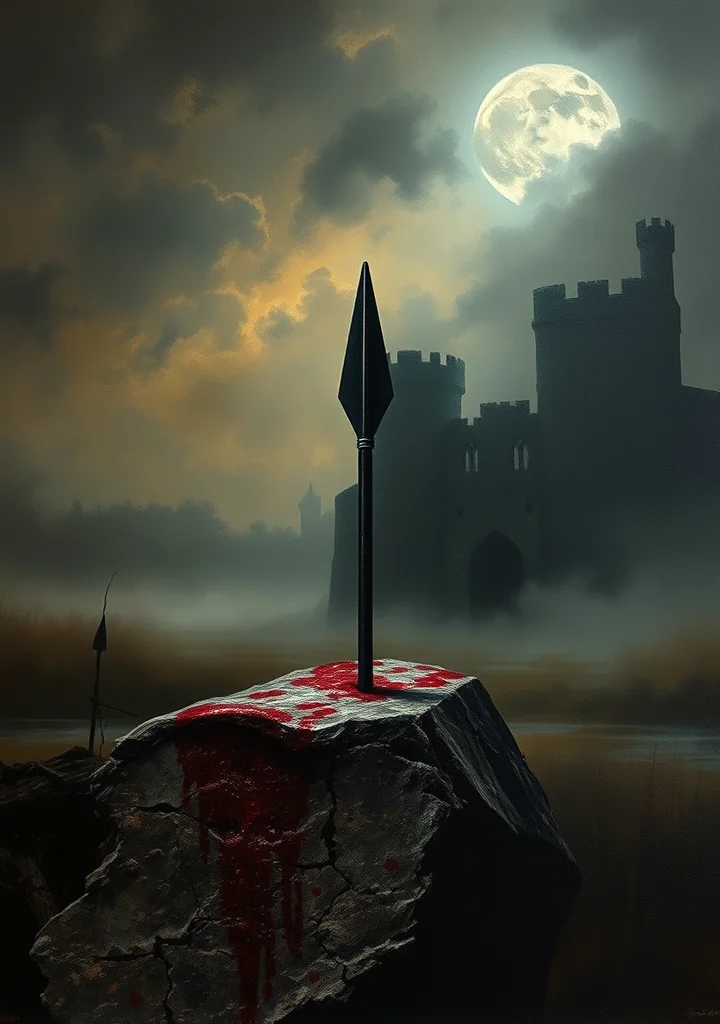
A creeping dread clings to the marshlands of fifteenth-century England. Shadowed castles loom against perpetual twilight, and whispers of rebellion twist through ancient forests. This is a story steeped in the scent of damp earth and decaying stone, where loyalties are carved in blood and betrayal festers in the heart of every noble house. The protagonist, shrouded in secrecy and driven by a righteous fury, moves through a landscape fractured by religious strife, his path paved with ambush and shadowed consequence. Every rustle of leaves, every flickering torchlight, carries the weight of hidden agendas and simmering violence. The air itself is thick with the metallic tang of unsheathed steel and the hushed prayers of those caught between warring factions. A palpable sense of isolation descends with the fog, mirroring the fractured soul of a man forced to navigate a labyrinth of deceit. The narrative coils tighter with each stolen glance and whispered oath, culminating in a desperate struggle where honor and survival bleed into one another beneath a bruised, storm-ridden sky. It is not merely a tale of conflict, but a descent into the murky depths of ambition, where the lines between justice and vengeance blur within the embrace of an encroaching darkness.


Copyright: Public Domain
This license allows anyone to use your story for any purpose, including printing, selling, or adapting it into a film freely.
Recommended for you
52 Part
A creeping dread clings to the shadowed orchards and crumbling khutors of Shevchenko’s *Poetry*. It isn’t a tale of grand horrors, but of a slow rot consuming the soul, witnessed through eyes haunted by the vast, indifferent steppes. The narrative unfolds like a fever dream—fragmented, lyrical, and steeped in the melancholic scent of damp earth and decaying sunflowers. Each verse bleeds into the next, mirroring the blurring of memory and reality within the minds of those exiled, those bound to the land by chains of sorrow and longing. The air hangs thick with the weight of unfulfilled desires and the ghosts of Cossack glories, rendered brittle by years of oppression. Walls whisper with the lamentations of women left behind, and the wind carries the cries of children lost to famine. A sense of impending doom isn’t delivered through spectacle, but through the relentless accumulation of small, brutal details—a chipped icon in a deserted chapel, a raven’s feather found clutched in a dead hand, the taste of iron in the well water. The prose itself is a landscape of fractured beauty—sun-drenched fields concealing graves, a sky bruised purple with regret. It’s a narrative not of what *happens*, but of what *remains*—the lingering echo of a broken heart, the dust of forgotten villages, the chilling realization that even in oblivion, the land remembers everything, and judges all. A suffocating stillness permeates the work, broken only by the distant howl of wolves and the rustling of secrets in the wheat fields. The story doesn’t end; it simply dissolves into the horizon, leaving you adrift in a sea of unending grey.
7 Part
A creeping fog clings to the shadowed corners of London society, mirroring the secrets festering within the Tanqueray household. The air tastes of regret and simmering ambition, thick with the scent of lilies and decaying reputations. Eliza Tanqueray, a woman haunted by whispers of her first husband’s demise and shadowed by a past she cannot outrun, finds herself bound to the stern, judgemental gaze of Sir Robert Tanqueray. His manor, a stone leviathan against the bruised twilight, breathes with the chill of inherited grief and an obsessive need for control. Every polished surface, every precisely arranged bloom, feels less a display of wealth and more a cage built to contain a dangerous, glittering creature. The narrative unravels like a silken noose, tightening with each strained smile and overheard conversation. A feverish unease pervades the drawing rooms, where polite conversation masks a ravenous hunger for social dominance. The second Mrs. Tanqueray is not merely a wife, but a specimen under glass, dissected by the eyes of a society that thrives on speculation and thrives on the slow, exquisite unraveling of a woman’s life. The darkness is not found in the shadows, but in the calculated glint of a man who believes he can purchase redemption through a second, more compliant bride. It is a house of brittle smiles and brittle bones, where every glance is a calculation, and every breath held is a testament to the suffocating weight of expectation.