
-
Read 215
-
0
-
Part 13
Completed, First published Mar 02, 2026
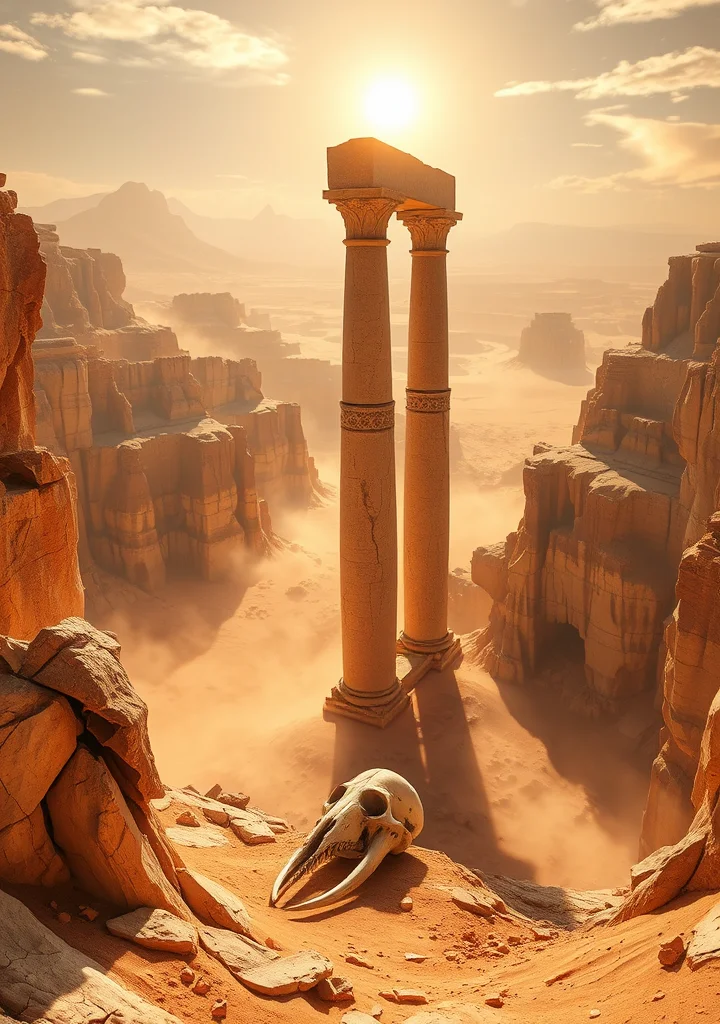
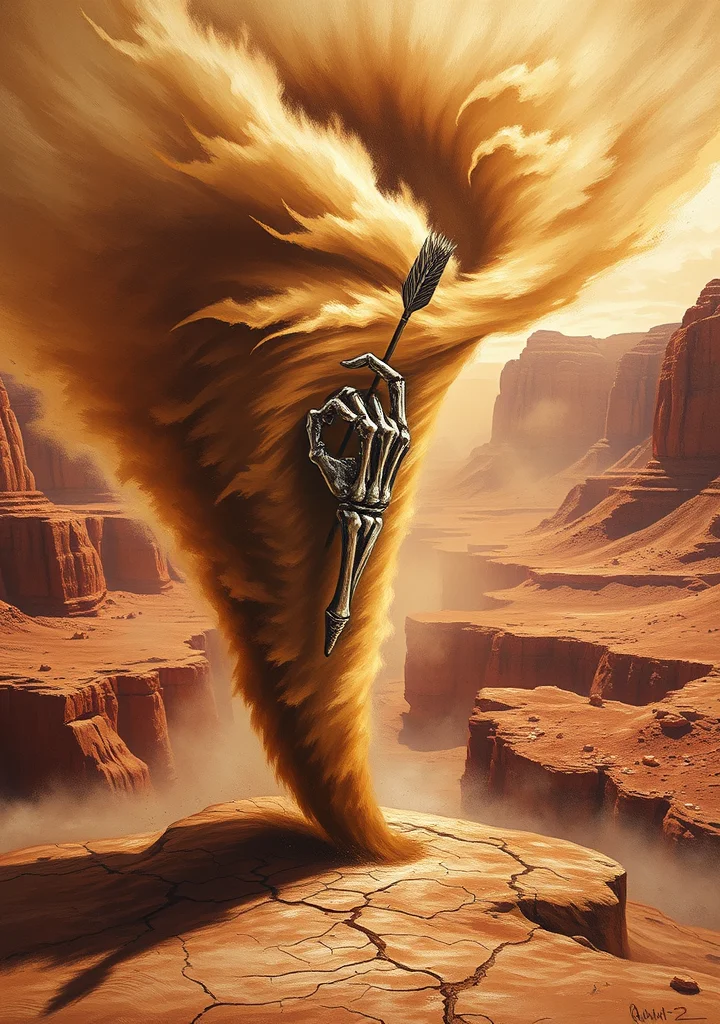
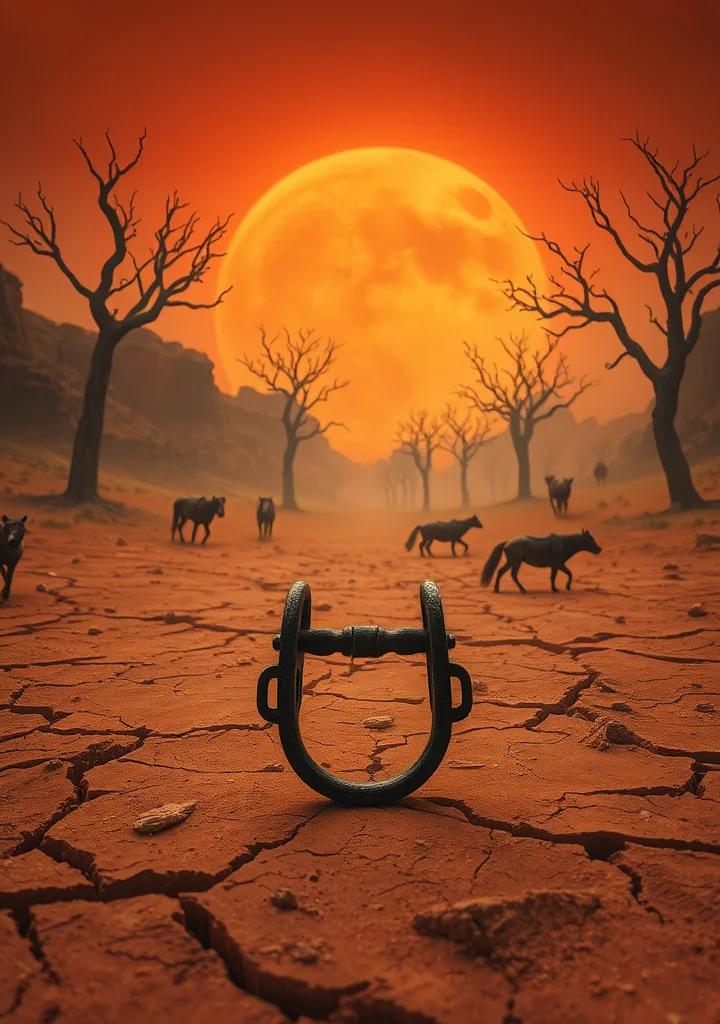
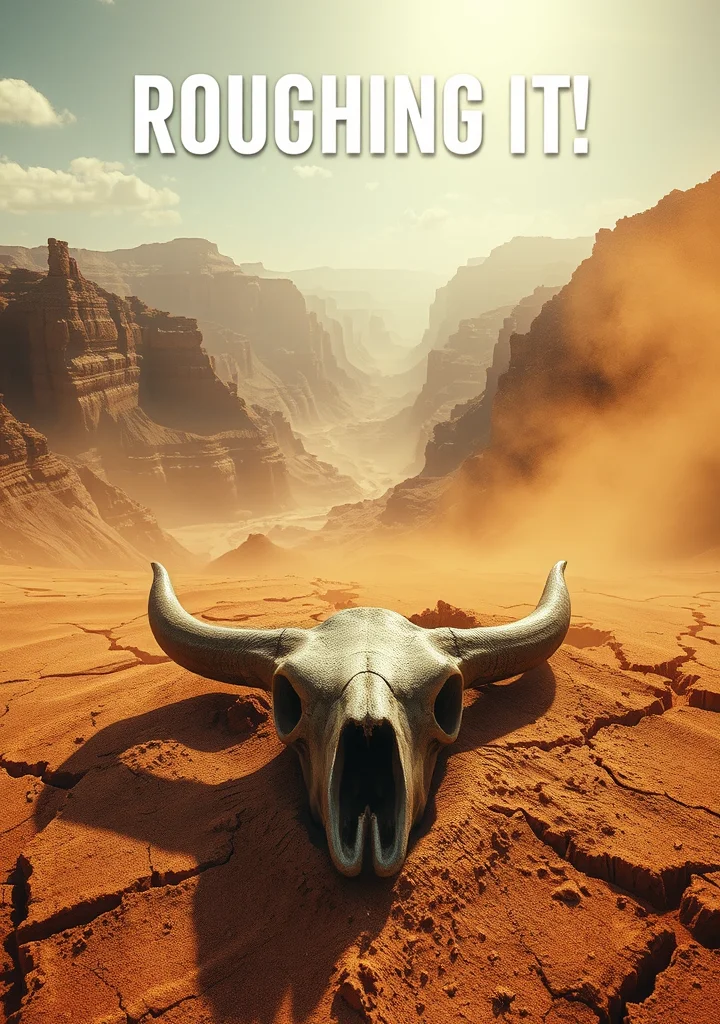
The Australian sun bleeds a feverish heat onto the red dust, mirroring the simmering discontent within young Harry Heathcote. Abandoned by fortune and circumstance to a brutal, isolating station life, the narrative clings to him like the oppressive Outback air. This is not a tale of colonial triumph, but of a man slowly devoured by the vast, indifferent landscape and the simmering resentments of those he’s bound to. A palpable loneliness permeates every page; the cattle stations become gothic fortresses of unspoken desires and stifled ambition. The land itself feels sentient, a malevolent force whispering temptations of escape – or, more likely, oblivion. Heathcote’s attempts at reform, at proving himself worthy, are rendered as desperate, almost grotesque gestures against a backdrop of simmering class conflict. The atmosphere is thick with the weight of unfulfilled potential, the stifling morality of a rigid society, and the ever-present dread of a heat-stricken madness blooming within a man utterly adrift. It’s a story where the silences between words are as potent as the scorching sun, and the creeping darkness isn't found in shadows, but in the very heart of ambition turned to ash.
Copyright: Public Domain
This license allows anyone to use your story for any purpose, including printing, selling, or adapting it into a film freely.
This license allows anyone to use your story for any purpose, including printing, selling, or adapting it into a film freely.
More like this