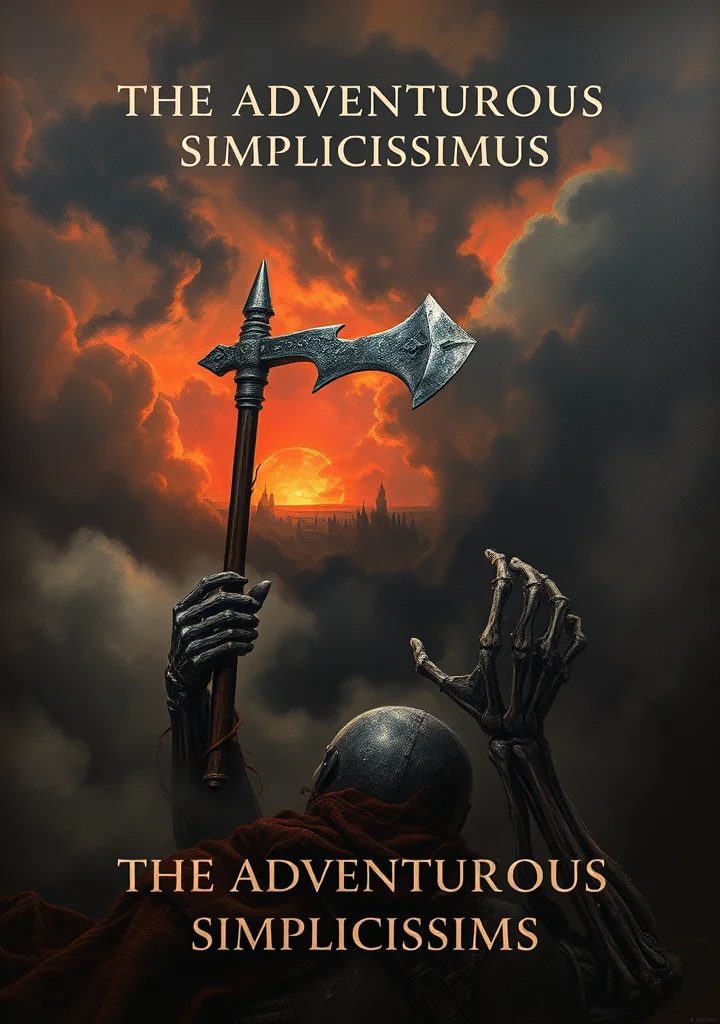

Pablo de Segovia, the Spanish Sharper
  • 124
  • 0
  • 29
  • Reads 124
  • 0
  • Part 29
Completed, First published Mar 02, 2026

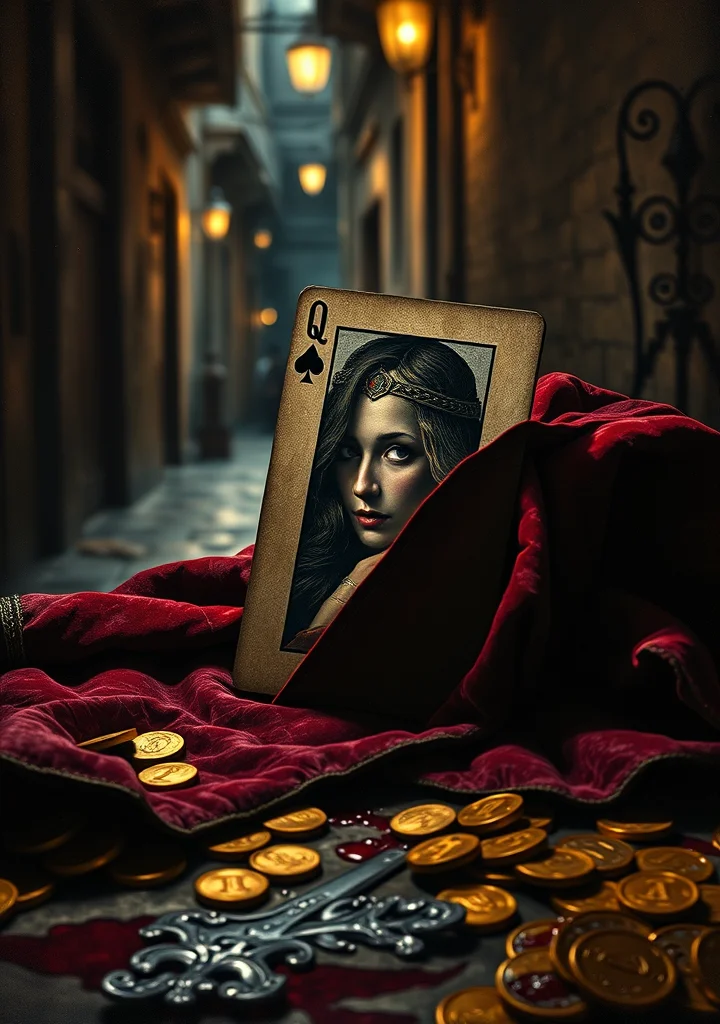
A miasma of shadowed alleys clings to Pablo de Segovia, a man forged in the crucible of Old Madrid’s deceit. Quevedo paints not a chronicle of swindles, but a descent into a Spain steeped in melancholic cunning. Each card game, each whispered confidence, unravels a tapestry woven with the grime of taverns and the chill of stone confessionals. The air tastes of dust and desperation, thick with the perfume of decaying grandeur. Segovia’s brilliance is less a victory of wit than a predatory grace, his every triumph echoing with the hollow clang of a bell tolling for innocence lost. The novel doesn’t merely recount trickery; it embodies the rot beneath the gilded veneer of the Spanish Golden Age, a world where honour is bartered for a smile and survival is purchased with a stolen glance. Every shadowed corner breathes with the weight of unfulfilled vows, and the laughter of the deceived lingers like the scent of burnt rosemary. It is a slow poisoning of the soul, meticulously chronicled, where the sharpest edge is not the blade, but the subtle curve of a liar’s tongue. The reader is not privy to a spectacle, but drawn into the suffocating embrace of a conspiracy, each page smelling of stale wine and the quiet desperation of those who have nothing left to lose but their shadows.
Copyright: Public Domain
This license allows anyone to use your story for any purpose, including printing, selling, or adapting it into a film freely.
Recommended for you
24 Part
Across cold, star-dusted voids where empires crumble to dust and the echoes of ancient wars linger as radiation, a shadow stretches from the birth of civilization to the dawn of humanity’s dominion. The Lensmen—a fractured brotherhood bound by loyalty and the spectral light of their implanted lenses—are the last bulwark against the insidious, creeping darkness of the pre-human races. But this is no simple struggle of good against evil; it is a descent into the hollow, metallic heart of galactic politics, a labyrinth of betrayals woven with the threads of forgotten gods. The narrative unfolds not as a linear path, but as a fractured memory, glimpsed through the shifting perspectives of those touched by the Lens. Each activation, each transmission, is a fragment of a larger, terrifying design. The stations themselves—distant, isolated citadels humming with the static of forgotten transmissions—are tombs of ambition, haunted by the ghosts of failed experiments and the chilling silence of perfect obedience. The air is thick with the metallic tang of desperation, and the star-fields beyond the viewports seem to pulse with the predatory hunger of the unseen. A creeping dread clings to every page, born of the realization that the true enemy isn’t simply *out there*, but woven into the very fabric of the Lensmen’s existence, a parasitic corruption that feeds on hope and blooms in the vacuum of interstellar isolation. The narrative doesn’t promise salvation, only the slow, agonizing unraveling of a universe teetering on the edge of annihilation.
49 Part
The air hangs thick with monsoon humidity, a suffocating weight mirroring the moral rot that festers within the isolated bungalows of the Patusan coast. Here, in a kingdom carved from shadow and whispered allegiance, a European engineer—Walsingham—has built a fortress of solitude, fueled by dynamite and an unyielding ambition. But Victory isn’t found in conquest over stone and jungle, but in the slow, creeping realization of his own complicity. The story unfolds not as a blaze of triumph, but as a darkening spiral of betrayal and consequence. Each chapter bleeds into the next, stained with the sickly sweet scent of decay—both physical and spiritual. The narrative coils around the figure of Heyst, a man adrift in the wreckage of his own idealism. He’s drawn into this claustrophobic world by a desperate plea for salvation, only to find himself entangled in a web of simmering violence. The island itself breathes with a predatory stillness, mirroring the suffocating passions of its inhabitants. The novel’s true horror lies not in grand spectacle, but in the insidious erosion of faith. It's a story of how easily the line between protector and parasite can blur, how noble intentions can curdle into bitter, poisonous fruit. A creeping dread clings to the prose—a sense of inevitability as the characters descend into the darkness of their own making, while the jungle swallows their fragile hopes whole. The shadows lengthen, not with the promise of respite, but with the cold embrace of an unforgiving fate. The ultimate victory is not celebration, but a hollow, echoing silence.
10 Part
A creeping twilight descends upon young Emil Sinclair as he’s drawn into the magnetic orbit of Max Demian, a figure both beautiful and terrifyingly unbound. Hesse’s narrative isn’t merely a coming-of-age, but a descent into shadowed chambers of the self, where inherited morality fractures against the raw stone of instinct. The air thickens with the scent of incense and forbidden knowledge as Sinclair’s world fractures – the rigid structure of his upbringing, the suffocating piety of his mother, all crumble beneath Demian’s gaze. Every encounter is layered with a premonition of doom, a cold wind whistling through the hollows of Sinclair’s nascent soul. The novel breathes with the claustrophobia of a gilded cage, the oppressive weight of societal expectations pressing down like lead. Dreams twist into grotesque allegories, mirroring Sinclair’s inner turmoil with unsettling clarity. Ancient symbols, unearthed from the loam of forgotten myths, become obsessions, fueling a desperate quest for liberation. The narrative is haunted by the specter of a fractured duality, a constant blurring of light and shadow, innocence and corruption. Sinclair’s journey isn’t towards enlightenment, but towards a harrowing reckoning with the darkness within—a darkness that threatens to consume him entirely as he spirals towards the inevitable, brutal severing of ties with the world he once knew. The final revelation is less a triumph, more a chilling echo in the vast, empty cathedral of his own becoming.