
-
Read 159
-
0
-
Part 8
Completed, First published Mar 02, 2026
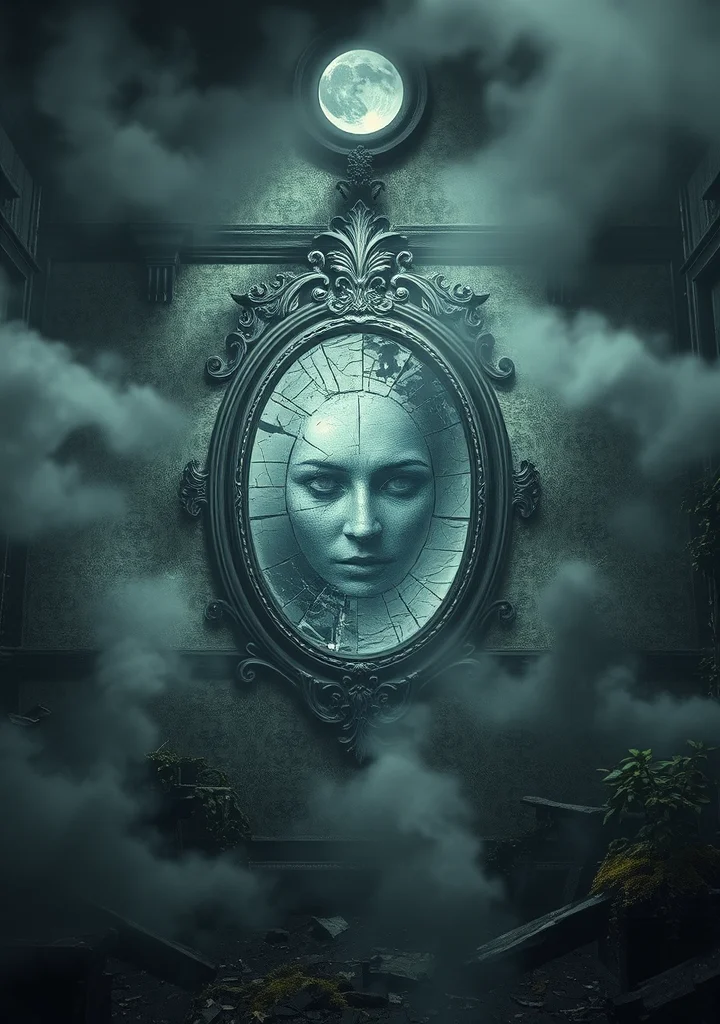
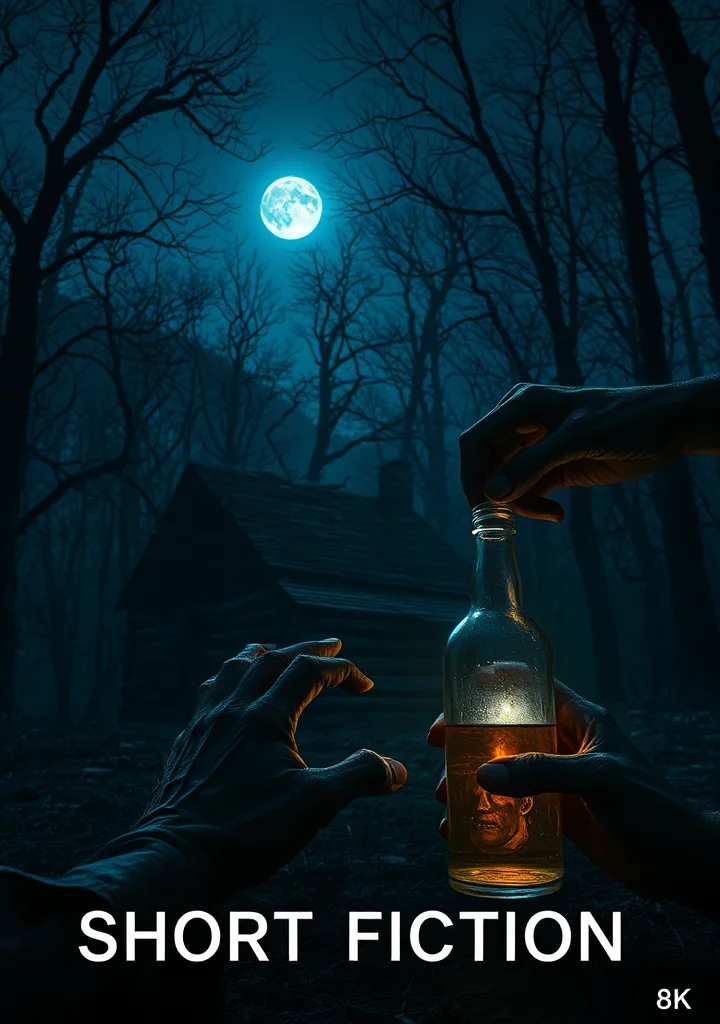
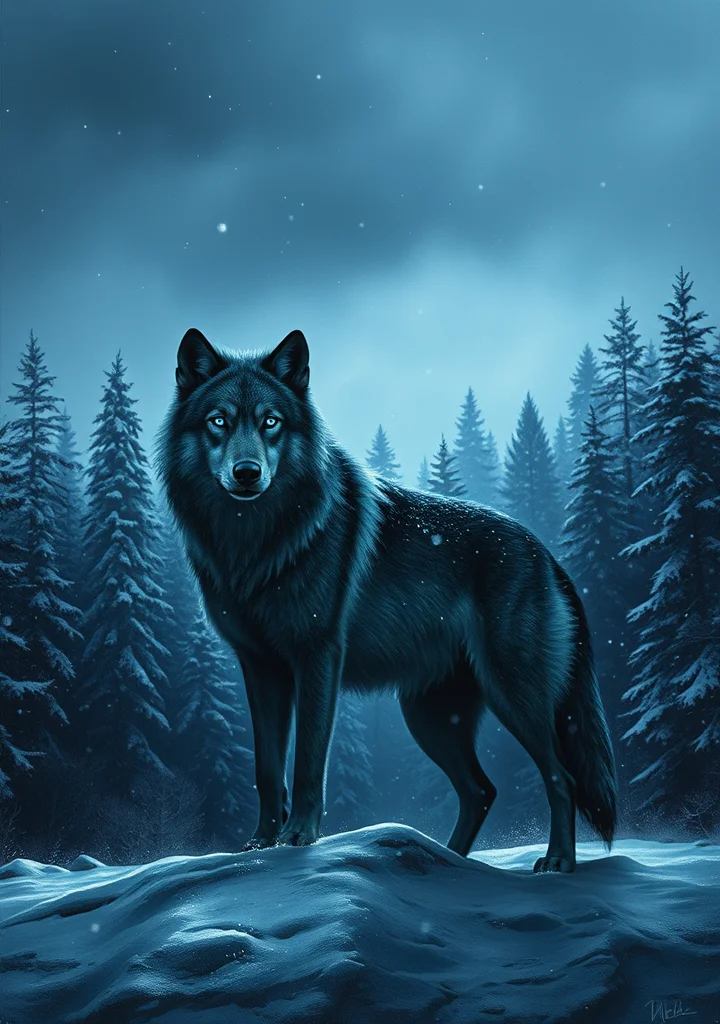
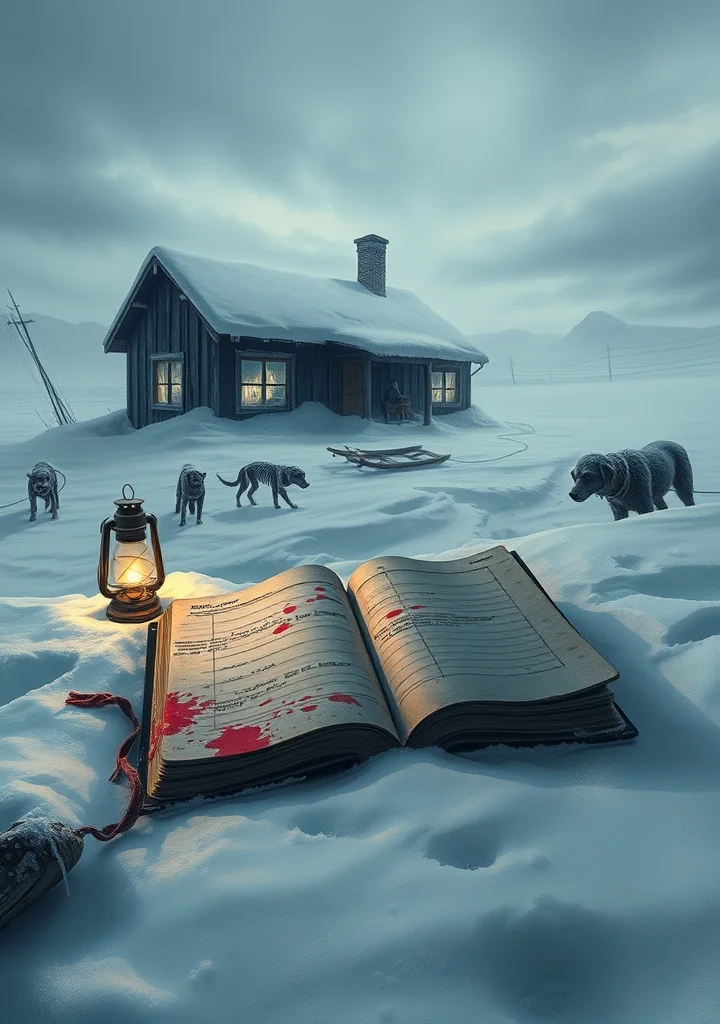
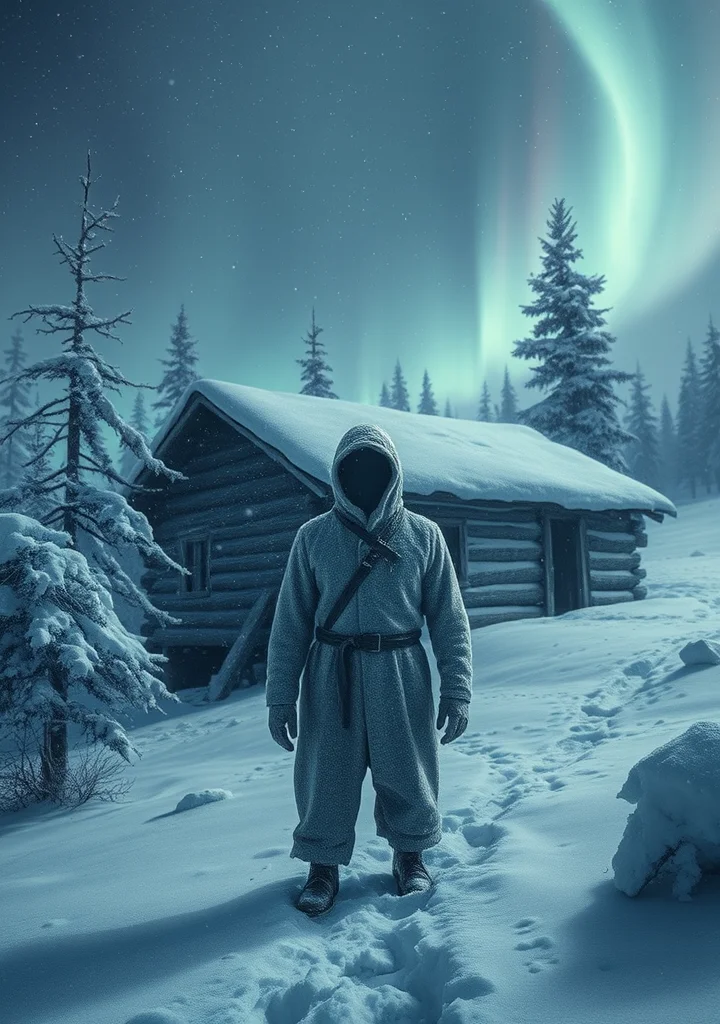
The fog hangs thick as grave shrouds along the Yukon’s frozen tributaries, clinging to the skeletal remains of spruce and the crumbling cabins of forgotten men. Here, in the heart of a winter that bleeds into eternity, a man named Burke is haunted not by cold, but by a face – or rather, the absence of one. Not a wound, not a beast’s savage work, but a deliberate erasure, a surgical theft performed with a cold, calculated malice that echoes in the echoing silence. He’s been left for dead, a canvas of stitched flesh and hollow sockets, the only clue a single, blood-frosted playing card pressed against his ruined features. The narrative unfolds as a descent into Burke’s fractured memory, a spiraling nightmare of opium dens and shadowed waterfronts, of men who trade in silence and shadows, and a woman with eyes like chips of glacial ice. Each step he takes to reclaim his identity, to understand *what* was taken, unearths not a face, but a creeping dread, a sense of being hunted by something born of the darkest corners of human ambition. The air tastes of brine and decay, of promises broken and lives surrendered to the insatiable hunger of the North. It’s a story steeped in the rot of obsession, where the search for a lost face becomes a descent into the void, mirroring the very land that has swallowed the man whole.
Copyright: Public Domain
This license allows anyone to use your story for any purpose, including printing, selling, or adapting it into a film freely.
This license allows anyone to use your story for any purpose, including printing, selling, or adapting it into a film freely.
More like this