
The Purple Cloud
  • 47
  • 0
  • 6
  • Reads 47
  • 0
  • Part 6
Completed, First published Mar 02, 2026

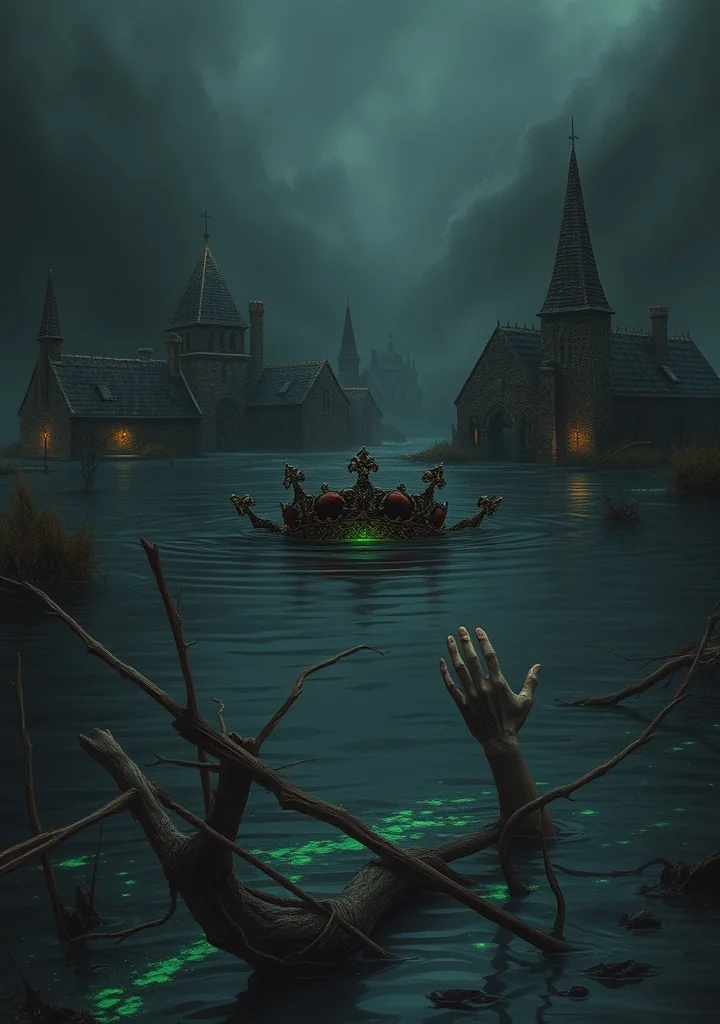
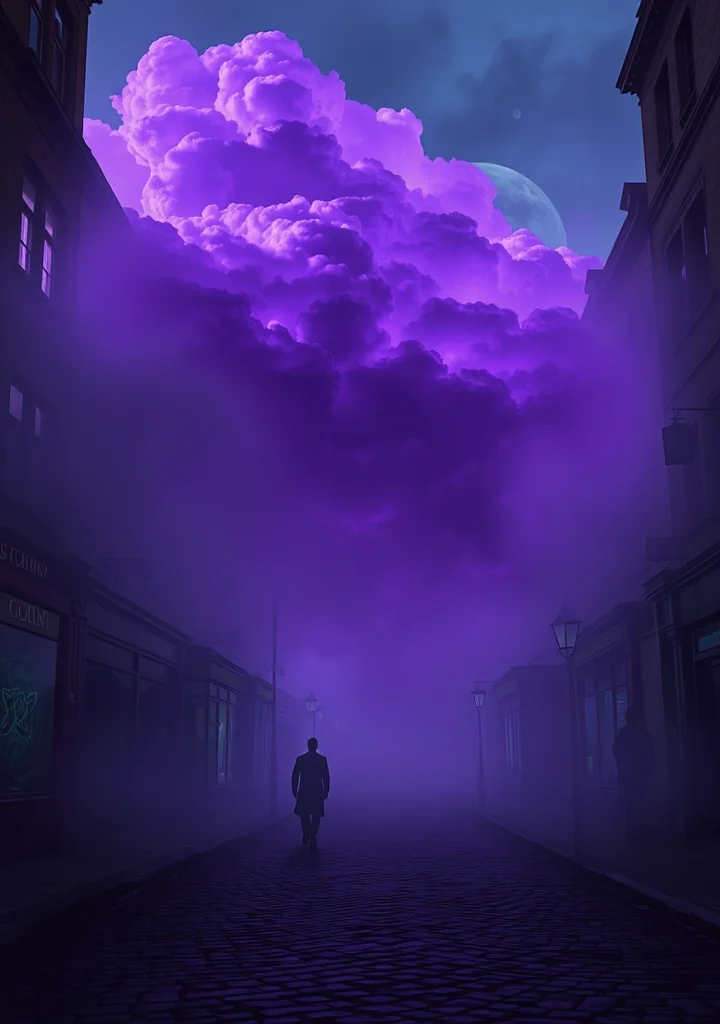
A suffocating dread clings to the cobbled streets of a London steeped in perpetual twilight. The air itself seems to thicken with the phosphorescent haze emanating from the titular cloud—a malevolent entity born of alchemical hubris and cosmic decay. Within its violet embrace, reality fractures, dissolving the boundaries between the sane and the delirious. Our protagonist, a man haunted by spectral echoes and a creeping sense of unreality, finds himself drawn into a labyrinthine pursuit of the cloud’s creator, a figure shrouded in whispers of blasphemous science and forbidden rites. Each shadowed alleyway pulses with a subtle, sickening vitality, the city’s underbelly mirroring the cloud’s insidious growth. The narrative unravels not as a linear chase, but as a descent into a fever-dream logic, where logic itself dissolves into the purple efflorescence. Rooms twist into impossible geometries, faces morph into grotesque masks, and the very stones beneath your feet seem to breathe with a cold, expectant hunger. The cloud isn’t merely seen, it’s *felt*—a pressure on the temples, a tremor in the lungs, a chilling awareness of something vast and ancient stirring just beyond the veil of perception. It seeps into the minds of those it touches, breeding paranoia, mania, and ultimately, a terrifying acquiescence to its alien will. The story doesn’t offer escape, but a spiraling immersion into the heart of a darkness that threatens to consume not just London, but the very foundations of reason itself.
Copyright: Public Domain
This license allows anyone to use your story for any purpose, including printing, selling, or adapting it into a film freely.
Recommended for you
5 Part
Dust motes dance in the echoing halls of Vathek, a gilded cage of decadence built upon the bones of ambition. The story unfurls not as a simple journey, but as a slow, suffocating descent into a nightmare of Eastern opulence and ancient, malevolent power. Beckoff’s prose breathes with the stifling perfume of jasmine and decay, weaving a tapestry of shadows where the line between reality and hallucination dissolves. The desert stretches, a silent, sun-bleached witness to Vathek’s relentless pursuit of forbidden knowledge. Each chamber encountered within his vast domain whispers of forgotten sorceries, echoing with the lament of djinn and the cold touch of spectral guardians. A creeping dread permeates the narrative, not from overt horror, but from a subtle erosion of sanity as Vathek, driven by hubris, unravels the very fabric of his existence. The atmosphere is one of exquisite torment, a claustrophobic grandeur where pleasure curdles into despair. It is a story steeped in the scent of burning incense and the weight of ancestral curses, where every indulgence draws Vathek closer to a chasm of cosmic indifference. The narrative chills with the realization that the true terrors lie not in the supernatural, but in the monstrous potential within the human heart, consumed by its own insatiable desires. It is a descent into a darkness not of demons, but of the self, mirrored in the endless, desolate landscapes that mirror the fracturing of a soul.
53 Part
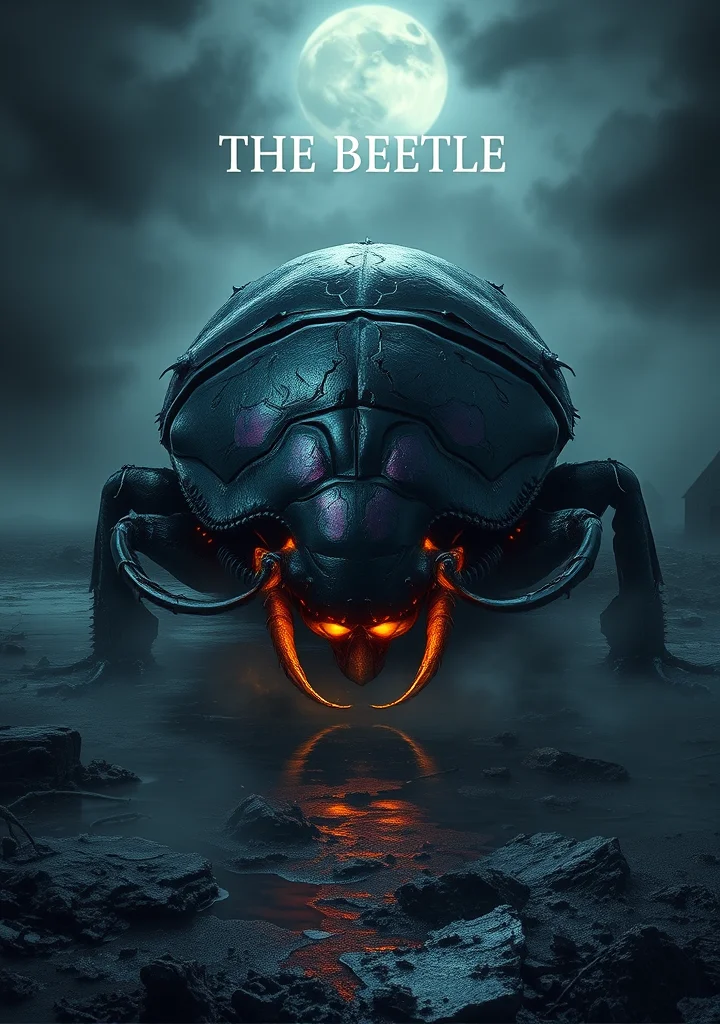
A creeping dread clings to the marshes of northern England, a suffocating fog mirroring the insidious presence that stalks the lives of Arthur Grimstone and his neighbors. It begins with whispers—a monstrous shape glimpsed in the peat bogs, livestock mutilated with unnatural precision, a chillingly human intelligence behind acts of escalating violence. The village of Stilton, already steeped in the melancholy of isolation, is slowly consumed by a terror born of the mire, a thing both animalistic and eerily, deliberately *aware*. Grimstone, a man haunted by his own rigid morality and the suffocating weight of Victorian expectation, finds himself drawn into a desperate pursuit of this creature—a pursuit that unravels not just the boundaries of his sanity, but the very foundations of his world. The Beetle is not merely a beast; it is a distortion, a parasite of the soul, weaving itself into the fabric of their lives, mirroring their darkest desires and festering resentments. Each encounter leaves a residue of cold, damp fear, the scent of decay clinging to the air long after the creature vanishes. The narrative descends into a labyrinth of shadowed alleys, decaying workhouses, and the claustrophobic interiors of Victorian homes—a suffocating world where the line between hunter and hunted blurs, and the monstrous Beetle becomes a terrifying reflection of the darkness within us all. The creeping dread isn't merely *of* the creature, but of the creeping rot *within* the very heart of the village, and within Grimstone himself.
32 Part
Dust motes dance in perpetual twilight within the crumbling manor of Blackwood, a shadow clinging to the Yorkshire moors. Old Man Hemlock, a recluse haunted by whispers of forgotten sins, claims the earth itself has shuddered – not from earthquake or war, but from a grief so ancient it cracks the very foundations of reality. The tremors coincide with the arrival of young Alistair, a scholar driven by feverish ambition to unearth Blackwood’s lineage. He finds not history, but echoes – a lineage stained by ritual, by bargains struck with something cold and vast beneath the peat bogs. The air thickens with the scent of damp earth and decaying roses, each room a sepulchre echoing with the laughter of children long dead. Alistair’s investigations are shadowed by the silent, watchful housekeeper, a woman whose face is etched with a sorrow that predates the manor itself. As the world *does* shake – subtly, sickeningly – a creeping dread seizes the village. Livestock vanish, shadows lengthen beyond reason, and the villagers speak of a stone circle awakened by Hemlock’s lamentations. The truth, when it surfaces, is less a revelation than an unraveling. Blackwood isn’t merely built upon ancient ground; it *is* the wound in the world, a place where the veil thins and the hunger of the old gods stirs. The tremors aren’t the earth’s agony, but the pulse of something vast and terrible rising from the depths, demanding to be remembered, to be *felt* once more. Alistair, caught in its orbit, must choose between oblivion and becoming another stone in the edifice of its dreadful, silent reign.
143 Part
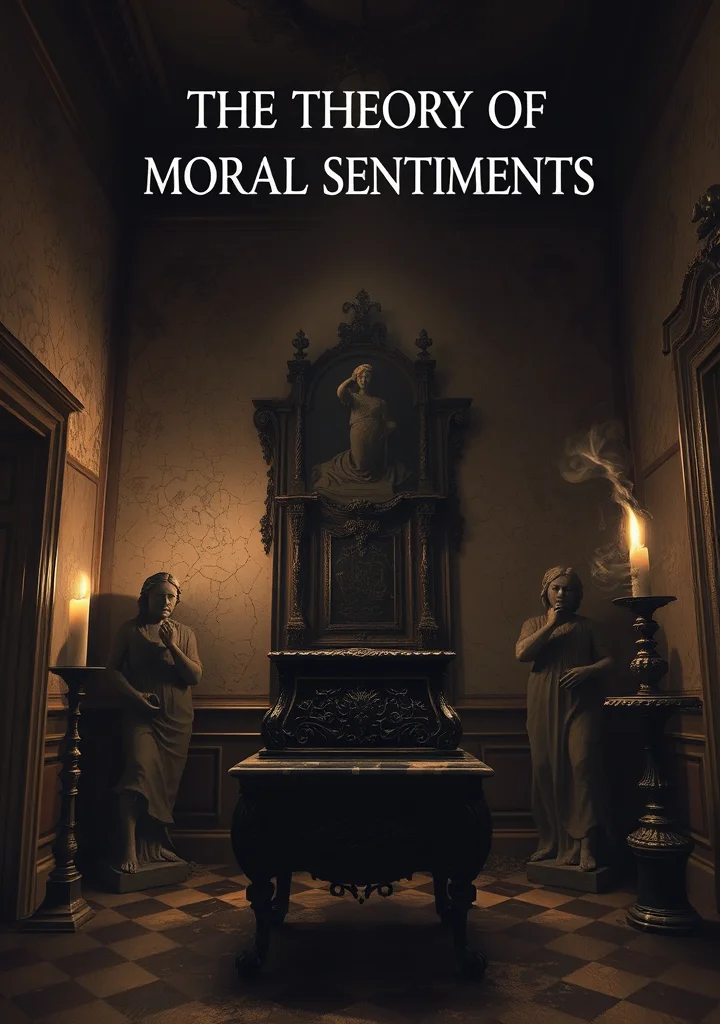
Dust motes dance in the perpetual twilight of a crumbling estate, mirroring the fractured reflections within its master’s mind. A scholar, consumed by the architecture of virtue, meticulously charts the decay of moral fiber as if mapping a labyrinthine crypt. Each carefully reasoned step through his treatise is a descent into the shadowed chambers of the self, where ambition breeds a chilling stillness and the pursuit of happiness echoes with the hollowness of forgotten prayers. The air hangs thick with the scent of aged parchment and the weight of unfulfilled potential, a suffocating perfume of what *ought* to be versus the creeping rot of what *is*. He dissects the human heart with the cold precision of a surgeon’s blade, revealing not gleaming organs but the brittle bones of regret. Every virtue, examined under the pallid light of reason, casts a long, skeletal shadow—a temptation, a weakness, a betrayal. The garden overgrown with thorny logic yields not blooms, but poisonous thorns that bind the soul to its own inevitable unraveling. A stillness permeates the halls, broken only by the scratching of a quill as he attempts to build a fortress against the encroaching darkness, only to find that the foundations of morality are built on shifting sands, haunted by the ghosts of desires left to fester in the shadows. The narrative is not a story of triumph, but of an endless, spiraling fall into the very heart of human imperfection.