Echoes of Time
  • 92
  • 0
  • 17
  • Read 92
  • 0
  • Part 17
Ongoing, First published Jun 28, 2026

The novel follows Tom’s arrival at a bustling Potter family home, where he navigates a lively household filled with cousins and friends. These chapters reveal a world of energetic teenage dynamics as Tom attempts to integrate into a chaotic, welcoming environment. As the story unfolds, playful mischief arises as children explore the house late at night, revealing generational differences in language and behavior. Unexpectedly, a group of children claiming to have traveled through time appears during a Yule celebration, disrupting the festivities and sparking conflict. The narrative traces the adults’ attempts to understand this chaotic influx of youth from different eras.
Copyright: All Rights Reserved
No person is allowed to use, redistribute, or modify your work in any form without your explicit permission.
More like this
147 Part
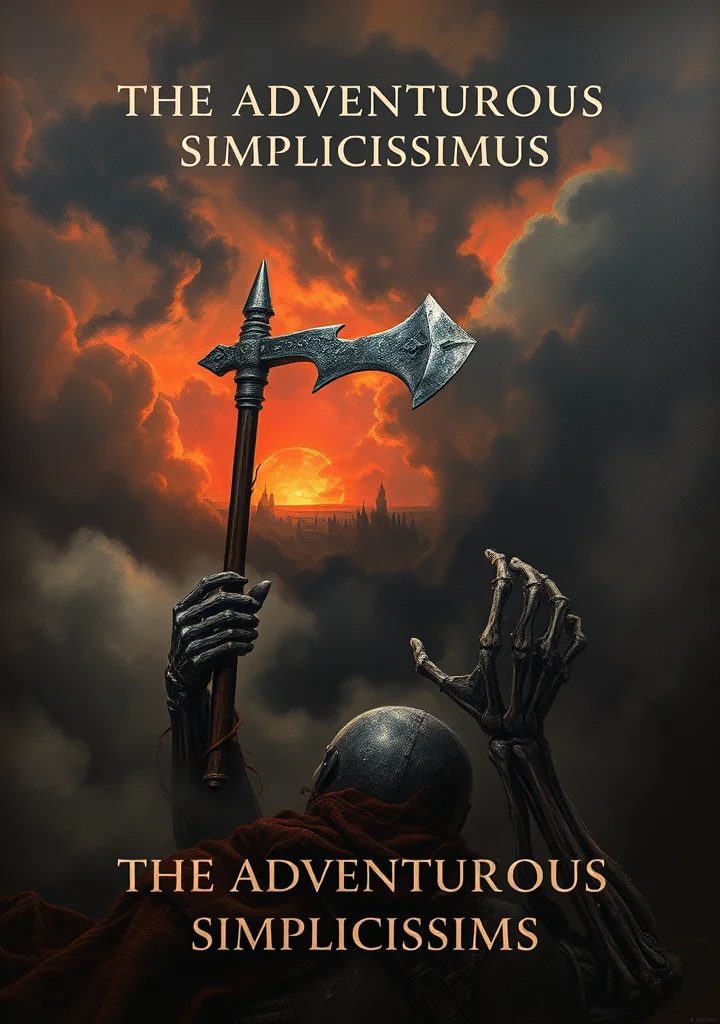
A world steeped in the mud and iron of the Thirty Years’ War bleeds into every page. Simplicissimus doesn't merely recount adventure; it exhumes it from the rotting timbers of abandoned villages and the hollow stares of famine’s ghosts. The narrative coils around you like a creeping fog, thick with the stench of gunpowder and the sour tang of desperation. It isn't heroism that echoes through these chapters, but a brutal, animalistic survival. Each encounter – a brawl in a mercenary camp, a desperate plea for shelter, a glimpse of skeletal families huddled around dying embers – is rendered with a chilling immediacy. The prose itself feels like a shard of glass pressed against the skin, sharp and unforgiving. Grimmelshausen doesn't offer escape, but immersion. You walk alongside Simplicissimus through landscapes ravaged not by armies alone, but by a spiritual decay that festers in the hearts of men. The castles loom as skeletal frameworks against bruised skies, and the forests whisper with the cries of the lost. The novel’s relentless forward motion mirrors the descent into madness, the erosion of innocence, and the ultimate realization that even in the deepest darkness, humanity finds a way to both inflict and endure. A suffocating claustrophobia settles over the reader as the narrative descends into a labyrinth of moral compromise and the casual horrors of a world utterly consumed by war. It is a world where the only virtue is the will to survive, and even that is often purchased with pieces of the soul.
91 Part
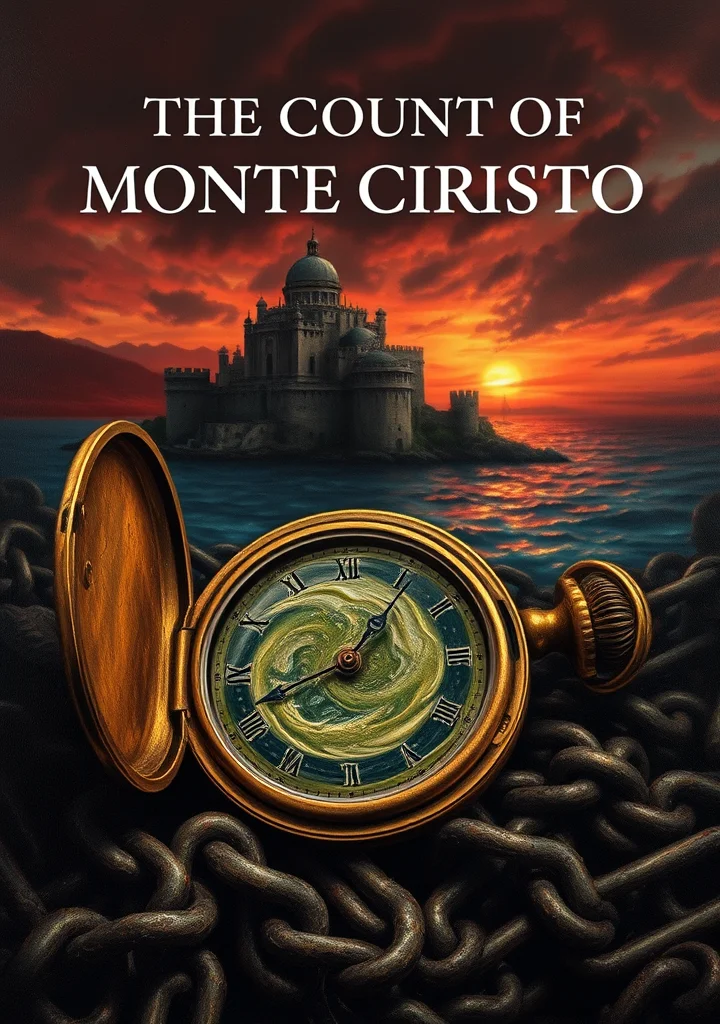
The shadows of the Revolution linger, not in barricades of stone and blood, but in the haunted chambers of a fractured aristocracy. Twenty years have passed, yet the ghosts of ’89 walk alongside those who claim to have buried them. Paris breathes a false peace, gilded with ambition and rotting beneath with the festering wounds of unresolved vengeance. This is not a tale of simple retribution, but of a darkness blossoming in the hearts of those who believed themselves victorious. The air hangs thick with regret, laced with the scent of jasmine and decay. Dust motes dance in sunbeams that fail to penetrate the perpetual twilight of decaying estates. Each stolen glance, each whispered conspiracy, is rendered in shades of grey, blurring the lines between loyalty and betrayal. A creeping dread clings to the ornate wallpaper and the cracked marble floors—a sense of being watched by the specters of a history refusing to be silenced. The novel unfolds like a slow poison, each chapter revealing a rot beneath the polished veneer of respectability. It is a world where the weight of inherited sins crushes the living, and the pursuit of justice is less a noble cause than a descent into a labyrinth of shadowed motives. Every encounter is a performance, every alliance forged in a desperate need to survive. The city itself is a character—a beautiful corpse, adorned with the jewels of a vanished age, yet riddled with the maggots of discontent. It is a story where the past doesn’t merely haunt, but *becomes* the present, a suffocating embrace of what was lost, and what will inevitably be claimed once more.
99 Part
A creeping fog of decline settles over Lübeck, mirroring the slow, inexorable decay of the Buddenbrook family. Within the opulent, shadowed confines of their merchant house, generations unravel, bound by tradition yet suffocated by its weight. A chill permeates the ornate rooms, not of winter, but of a creeping malaise—a spiritual exhaustion that clings to velvet curtains and polished mahogany. The scent of almonds and decay hangs heavy in the air, a subtle poison seeping into the veins of each heir. Each chapter unfolds like a funeral procession, hushed and dignified, yet laced with a subtle, suffocating dread. The city itself becomes a character—its canals reflecting the family's fading fortunes, its cobbled streets echoing with the ghosts of ambition and lost vitality. A profound loneliness permeates the narrative, a sense of being entombed alive within a legacy of prosperity. The narrative is not one of dramatic catastrophe, but of a quiet unraveling, a slow erosion of will masked by polite society’s rigid formality. The characters move through their lives as though in a dream, haunted by the specter of what once was—their faces pale and drawn, their voices laced with a melancholy that clings like the damp sea air. The weight of expectation, the burden of inheritance, become visible as a spectral presence in every room, a chilling reminder of the inevitability of dissolution. The novel breathes with the scent of dust, of old money, of secrets whispered in darkened hallways, and the slow, agonizing realization that even the most solid foundations can crumble into nothingness.
71 Part
The Cornish coast breathes chill as a shroud, clinging to the crumbling stones of Sker House. A perpetual twilight bleeds from the grey cliffs into the churning sea, mirroring the half-forgotten sorrows trapped within the manor’s walls. This is a tale steeped in the brine of legend, where the echoes of ancient Welsh songs tangle with the desperate cries of a family fractured by pride and spectral longing. The air itself is thick with the scent of salt and decay, clinging to the damp velvet of forgotten chambers. A young man, driven by a shadowed past, finds himself entangled with the ghostly figure of Jinny, a maid claimed by the sea and bound to Sker by a curse of unfulfilled love. But her presence isn’t one of gentle sorrow; it’s a haunting that seeps into the very timbers of the house, twisting the minds of those who linger too long. Every wave that crashes against the shore feels like a mournful confession, and the cries of gulls carry whispers of betrayal. The narrative unravels not through bold action, but through the slow, insidious creep of dread. It’s a descent into a labyrinth of ancestral grief, where the boundary between the living and the dead is blurred by the relentless, mournful ache of the sea, and the secrets held within Sker House threaten to drown all who dare to uncover them. The moorland wind carries not just a chill, but the weight of centuries, pressing down on the heart until only the echo of Jinny’s lament remains.
75 Part
Dust motes dance in perpetual twilight within the rambling, suffocating confines of the Old Curiosity Shop, a place where time itself seems to fray at the edges. The air hangs thick with the scent of decay and forgotten dreams, clinging to the warped timbers and shadowed corners. A suffocating weight of secrets presses down, mirroring the burden carried by little Nell, a fragile bloom wilting under the gaze of avarice. The shop’s labyrinthine depths swallow light, revealing glimpses of grotesque relics—grimacing masks, tarnished silver, and the hollow eyes of forgotten dolls—each a silent witness to generations of loss. A creeping dread seeps from the very stones, fueled by the malevolent presence of Quilp, a creature born of spite and fueled by cruelty. The narrative unfolds not as a journey, but as a descent, spiraling deeper into a labyrinth of shadowed alleys and decaying grandeur. London itself breathes with a feverish pulse, a city of echoing footfalls and whispered conspiracies. Every encounter is veiled in ambiguity, every kindness shadowed by the looming threat of betrayal. The oppressive atmosphere is less a setting, and more a character—a suffocating entity that threatens to consume Nell and all she holds dear within its suffocating embrace. The antique objects are not merely curiosities, but fragments of fractured souls, each holding a piece of the shop’s decaying history. It is a world where innocence is a fragile currency, and darkness preys on the edges of hope.
52 Part
A creeping dread clings to Lindores Castle, a stone behemoth shadowed by ancient pines and whispered histories. Within its decaying grandeur, the Lindores sisters – refined, brittle, and bound by a shared, unspoken sorrow – drift through lives as brittle as dried leaves. Each woman, a delicate bloom fading within the suffocating confines of their ancestral home, bears the weight of a past tragedy that stains the very stones with melancholy. The narrative unravels not with grand spectacle, but with the slow, insidious rot of isolation, the suffocating politeness masking a simmering resentment, and the chilling echo of secrets clinging to the castle’s shadowed corners. A sense of mournful expectancy pervades every chamber, as if the Lindores sisters are not merely living, but *waiting* – for revelation, for release, or for the inevitable descent into the same quiet oblivion that claimed their mother. The atmosphere is one of perpetual twilight, where the boundaries between reality and haunting blur, and the scent of decay mingles with the perfume of forgotten grief. Every glance exchanged, every stifled sigh, feels laden with the weight of a lineage cursed to wither within the castle walls, mirroring the slow, inexorable decline of Lindores itself. It is a story steeped in the claustrophobia of inherited sorrow, where the true horror resides not in what is seen, but in what is felt – the icy touch of loneliness and the suffocating silence of a family slowly dissolving into shadow.
54 Part
A creeping dread clings to the shadowed halls of Blackwood Manor, where the legacy of the Ashworths—a family steeped in melancholic piety and stifled ambition—unwinds like a silken noose. The narrative breathes with the damp chill of decaying grandeur, each room a mausoleum of forgotten vows and whispered sins. Old Mr. Ashworth’s failing health isn't merely illness, but a slow erosion of the boundaries between this world and something…else. His daughter, burdened by the weight of expectation and a suppressed, feverish devotion, finds her spirit fracturing alongside his. The story isn't one of outward horror, but a suffocating claustrophobia born of repressed desire and the suffocating weight of religious fervor. A subtle poison seeps through the narrative, laced with the scent of dying lilies and the rustle of unseen presences in the long corridors. The barriers between the Ashworths’ carefully constructed faith and the gnawing darkness within begin to blister and crack. The estate itself is a character—a labyrinth of shadowed alcoves and overgrown gardens where the rot of secrets blooms under a perpetual twilight. The very stones seem to weep with the grief of generations past. The air hangs thick with the anticipation of a reckoning, not of ghouls or specters, but of a soul laid bare, consumed by the flames of its own unfulfilled longings. It’s a story told in the fading light of a dying man’s consciousness, where the boundaries of reality blur with the feverish visions of a desperate heart.
45 Part
A creeping dampness clings to the shadowed corners of Valley of Blue Castles, where Valerian Barclay, a woman withered by years of stifling duty and whispered scorn, discovers a freedom born of bitter defiance. The narrative exhales a melancholic haze, thick with the scent of decaying roses and the murmur of regret. Old Man Barclay’s estate, a crumbling edifice of ancestral pride, looms like a skeletal hand against perpetually bruised skies. The castle itself is less stone and mortar than a cage of expectations, its blue hue mirroring Valerian's own bruised spirit. A slow unraveling of societal constraints bleeds into a strange, almost feverish awakening as Valerian dares to embrace the eccentricities of her world. The forest surrounding the castle breathes with a secret life, teeming with shadowed paths and whispers of forgotten lore. A haunting stillness pervades the narrative, broken only by the creak of ancient timbers and the rustle of unseen things in the shadowed depths of the woods. The air is thick with the weight of unspoken desires and the chilling possibility of a love that blooms only in the wreckage of shattered reputations. Even as Valerian's heart opens to a fragile hope, the specter of her past – and the castle’s own decaying grandeur – casts a long, unforgiving shadow. The novel is steeped in a sense of lonely grandeur, where the echoes of loss resonate through every darkened hall, and even the most vibrant bloom is tinged with the blue of sorrow.
38 Part
A creeping dread clings to the brownstone steps of Brooklyn Heights, thick as the November fog. Cole’s narrative unfolds not as a whodunit, but as a slow bleed of rot into the very foundations of respectability. Each murder—precise, ritualistic, and echoing with the hollow resonance of forgotten things—unearths not clues, but layers of shadowed history within the borough’s brick and iron. The investigation itself becomes a descent into a labyrinth of decaying mansions and gaslit alleys, haunted by the whispers of the dead and the suffocating weight of secrets. The air tastes of brine and old money, tainted by the metallic tang of blood. Rain slicks the cobblestones, reflecting the lamplight in fractured, spectral shapes. Witnesses are not forthcoming with answers, but with averted eyes and mumbled prayers. A suffocating sense of inevitability pervades, as if the killings are not aberrations but the inevitable culmination of a dark covenant made long ago, woven into the very fabric of the city’s ambition. The detective, haunted by visions of his own failures, walks a tightrope between sanity and the abyss, mirroring the city’s descent into a feverish, melancholic dream. Each discovered body is less a crime scene, and more a morbid tableau—a perverse echo of a past tragedy. The narrative doesn’t reveal answers, but exposes the raw, vulnerable nerve of a city built on the bones of its own ghosts, a place where the darkness doesn’t just fall, but *breathes*.
51 Part
A creeping dampness clings to the stone of Norland Park, mirroring the chill that settles upon the hearts of the Dashwood sisters as they are cast adrift by a callous inheritance. The shadows lengthen with each diminishing fortune, twisting the familiar landscapes of Devonshire into a labyrinth of unspoken anxieties. Though outwardly composed, Elinor’s measured restraint barely conceals a grief that blooms like winter roses—pale and thorn-sharp. Marianne’s passions, unrestrained and fever-bright, find echo in the brooding woods and the melancholy sighs of a decaying estate. The air itself is thick with the scent of decaying leaves and unshed tears. Every polite conversation, every carefully worded letter, carries the weight of unacknowledged desires and simmering resentments. A spectral silence hangs between the sisters, broken only by the rustling of secrets in the darkened corridors. The very gardens, once vibrant with summer blooms, now seem haunted by the ghosts of promises broken and futures stolen. A subtle rot pervades the narrative—not of decay in the physical world, but in the very fabric of social grace. The polite smiles mask a desperate hunger for security, a fragile vulnerability masked by lace and propriety. The whispers of scandal, the stifled accusations, weave through the manor houses like tendrils of ivy, threatening to strangle the fragile hopes of these women in a world where sensibility is a weakness, and sense, a carefully constructed fortress against ruin. The fog-laden moors become a mirror for the fractured souls trapped within, their destinies shrouded in an atmospheric gloom that clings long after the final, desperate reckoning.