
The Rainbow
  • 70
  • 0
  • 19
  • Reads 70
  • 0
  • Part 19
Completed, First published Mar 02, 2026

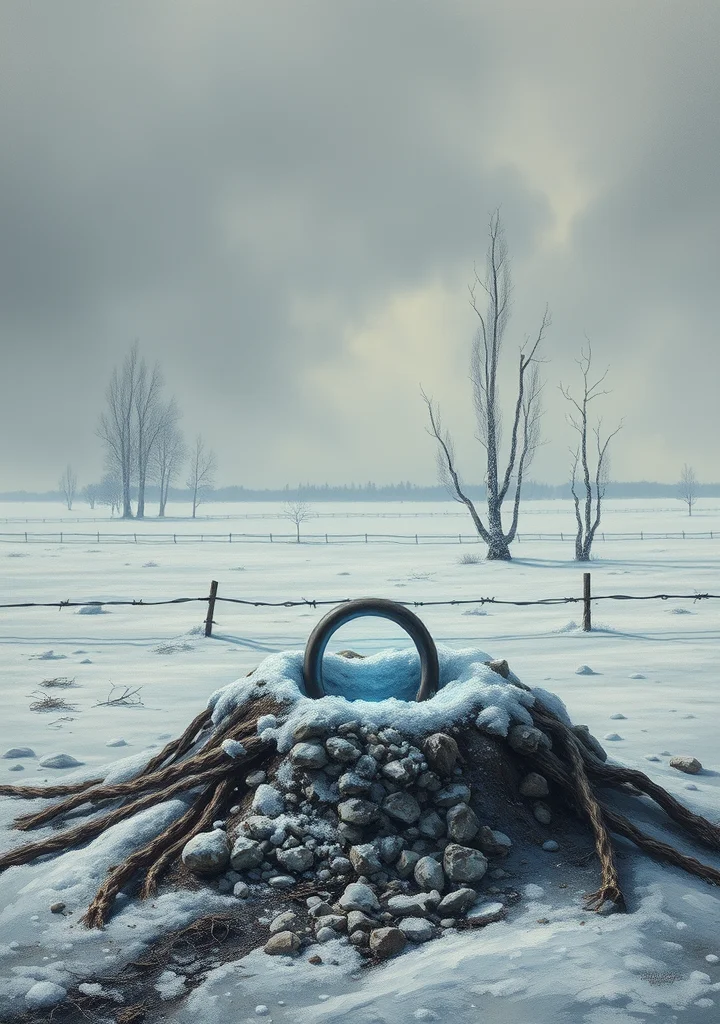
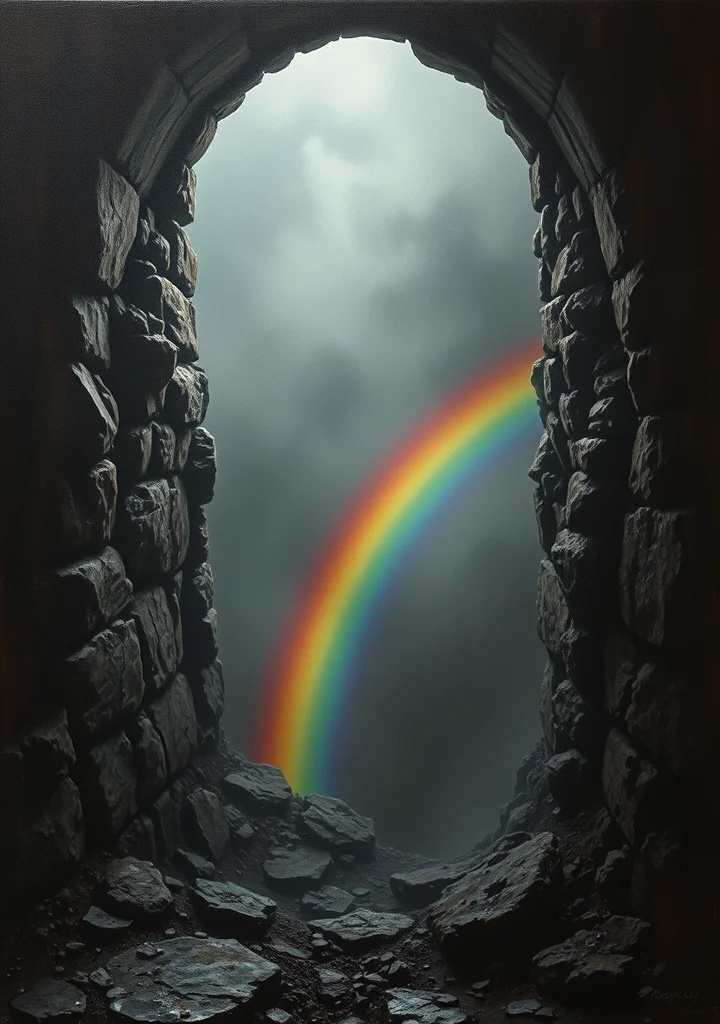
A creeping damp clings to the stone of the narrative, mirroring the perpetual twilight of the Derbyshire coal mines and the shadowed corners of a marriage fracturing under the weight of expectation. The air smells of wet wool, peat smoke, and the metallic tang of iron ore – a scent that seeps into the very marrow of the characters. This is not a story of vibrant hues, but of colours bleeding into one another, muddied by ambition, repression, and the suffocating grip of societal constraint. The characters move like spectres through the fading light of a dying Victorian age, their passions and desires – raw and insistent – flickering against the rigid framework of their lives. A sense of claustrophobia pervades, not just within the homes and factories, but within the characters themselves, trapped in a cycle of inheritance and expectation. The novel unfolds as a slow erosion of the soul, a descent into the shadowed labyrinth of the human heart where beauty and brutality intertwine. The landscapes themselves seem to mourn, the rolling hills echoing the unspoken grief of a generation bound by duty and the ache for something just beyond reach. A melancholic stillness hangs over everything, punctuated by the rhythmic throb of machinery and the stifled cries of longing. It is a world where the rainbow is not a promise of hope, but a fleeting glimpse of something lost, a fragile refraction of light in a world perpetually shrouded in grey.

Copyright: Public Domain
This license allows anyone to use your story for any purpose, including printing, selling, or adapting it into a film freely.
Recommended for you
10 Part
A suffocating heat clings to the Portuguese coast, mirroring the stifled ambitions and decaying grandeur within the crumbling estates. This is a land where translation is not merely linguistic, but of souls – where the very act of speaking fractures identity. The narrative unfolds through a haze of humid nights and the relentless drone of cicadas, a fever dream of miscommunication and simmering resentment. Every phrase, every misplaced comma in the titular lexicon, becomes a weapon wielded by the disenfranchised, a subtle sabotage against the colonial power that dictates their very tongues. Shadows stretch long from the whitewashed buildings, concealing not just illicit liaisons but the creeping rot of a society built on borrowed language. The air itself is thick with the scent of jasmine and desperation, laced with the metallic tang of unfulfilled desires. A claustrophobic sense of surveillance pervades, not from visible guards but from the insidious awareness that every utterance is parsed, every inflection judged. The story breathes with the slow, deliberate pace of a decaying bureaucracy, where each attempt at clarity only deepens the mire of misunderstanding. It’s a world where silence is a luxury few can afford, and where even the most ardent declarations of love are warped by the insidious demands of a foreign tongue. The novel’s unease doesn't lie in dramatic outbursts, but in the insidious erosion of meaning itself, leaving readers adrift in a sea of fractured syntax and unspoken dread.
70 Part
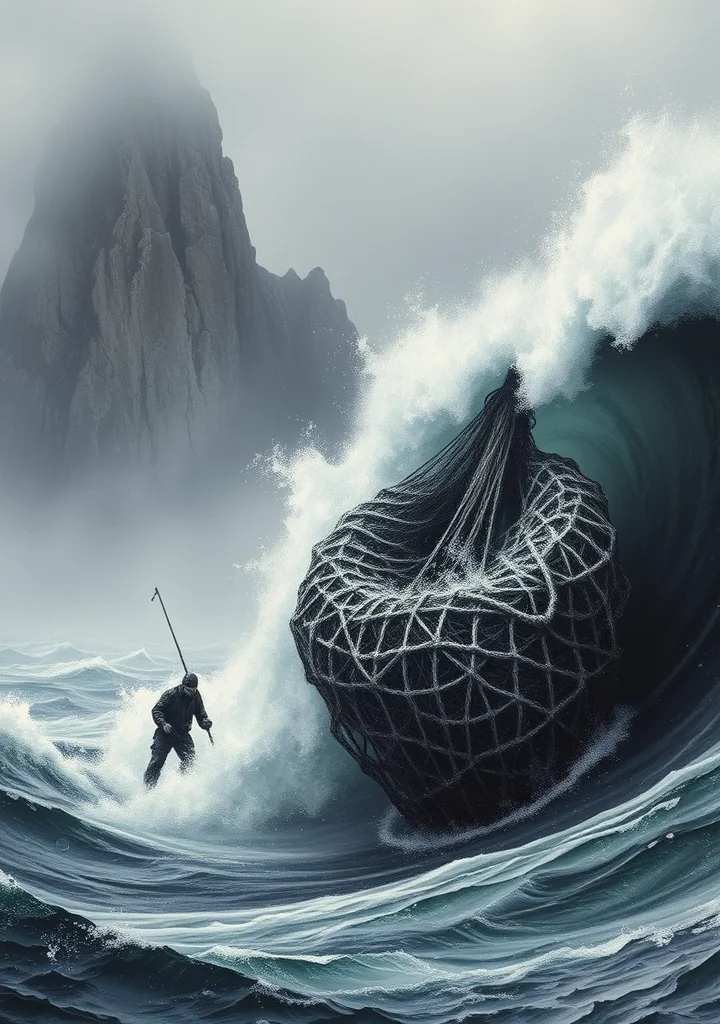
A creeping dread settles over the marshlands of Anglia, mirroring the slow rot within the bones of its last kings. Morris weaves a tale not of glorious battle, but of a world drowning—not in water alone, but in the melancholic decay of forgotten gods and the venomous whispers of those who would usurp them. The narrative clings to the peat bogs like a clinging mist, smelling of salt and brine, of drowned things and the iron tang of blood. Villages vanish beneath encroaching tides, their stone foundations swallowed by the relentless grey, while within crumbling halls, the remnants of a fractured kingdom barter with shadow-things for survival. Each chapter feels like a descent into a waterlogged grave, the prose thick with the weight of loss and the insidious bloom of fungal blooms on rotting timbers. The sun, when it dares to appear, casts no warmth, only long, skeletal shadows stretching across the drowned fields. A sense of inevitable collapse permeates every line; not a heroic struggle against fate, but a mournful acceptance of its glacial, crushing embrace. The flood isn’t merely a rising water level, but a fracturing of the world itself, revealing the skeletal truths of a land consumed by its own melancholic past. The voices that linger are not those of the living, but the drowned echoes of kings, lovers, and children, murmuring from beneath the surface, beckoning the reader to join them in the cold, suffocating embrace of the sundering flood.
47 Part
A creeping dread clings to the shadowed halls of Ashworth Manor, where the legacy of Silas Blackwood, a man rumored to have made pacts with something ancient and hungry, festers in the very stones. The air hangs thick with the scent of decay and forgotten sin, mirroring the rot within the Blackwood family itself. A suffocating inheritance binds young Arthur to a lineage steeped in whispered accusations of devilry, and the manor’s sprawling, overgrown grounds seem to pulse with a life both alluring and menacing. Every antique mirror reflects not faces, but fleeting glimpses of something *other*, and the relentless drumming of rain against the leaded windows feels less like weather and more like a desperate plea for release. The novel unravels with a slow, agonizing unraveling of sanity, the narrative choked by claustrophobic interiors and the oppressive weight of a past that refuses to stay buried. A creeping paranoia descends, blurring the line between the living and the dead, as Arthur discovers his inheritance is not merely land and title, but a monstrous legacy etched into his very blood. The narrative unfolds like a fever dream, punctuated by stolen glances at shadowed figures, the scent of damp earth clinging to every breath, and a chilling sense that something malevolent stalks the corridors, always just beyond the periphery of vision. A suffocating dread permeates every page, where the true horror lies not in what is seen, but in what is *felt* - the suffocating presence of a darkness that has waited centuries to claim its due.