
Zuleika Dobson
  • 195
  • 0
  • 29
  • Reads 195
  • 0
  • Part 29
Completed, First published Mar 02, 2026

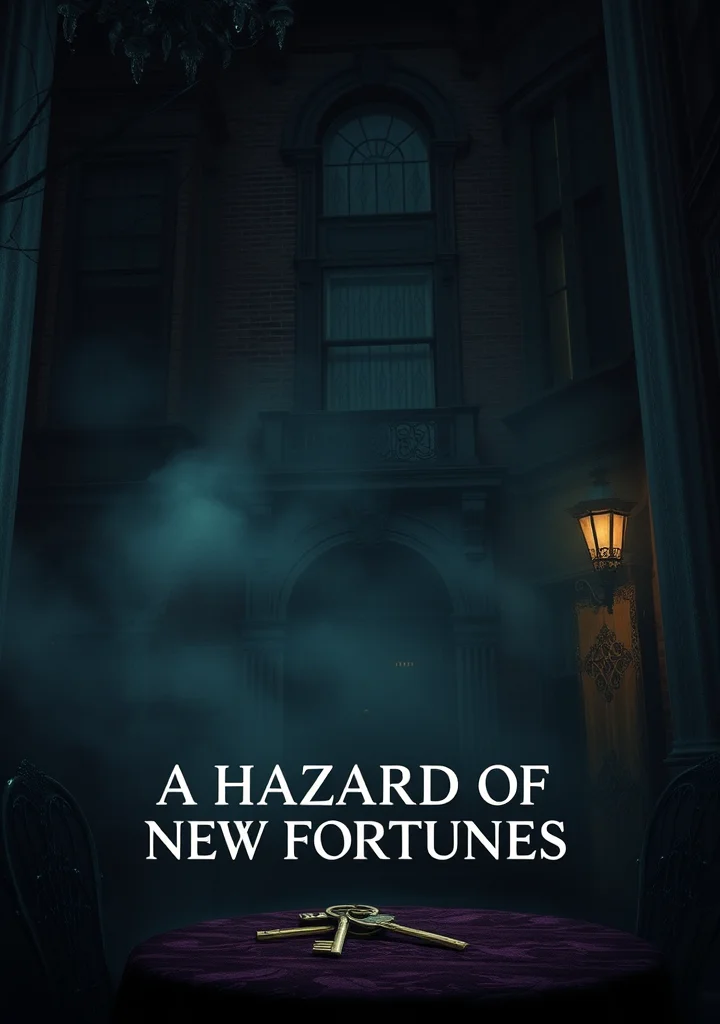
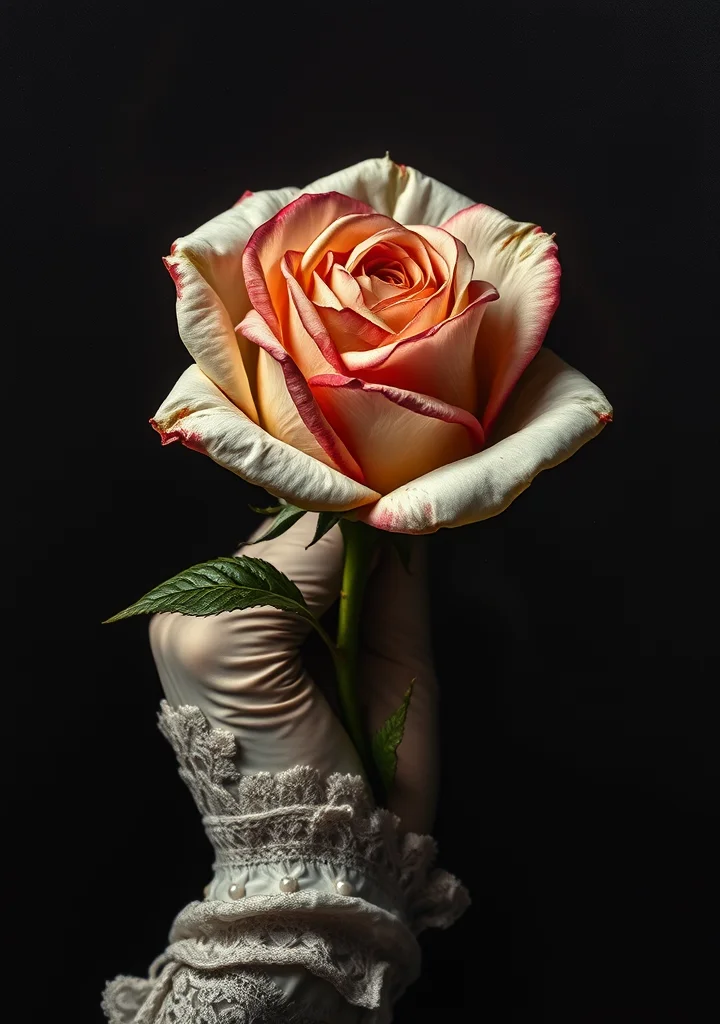
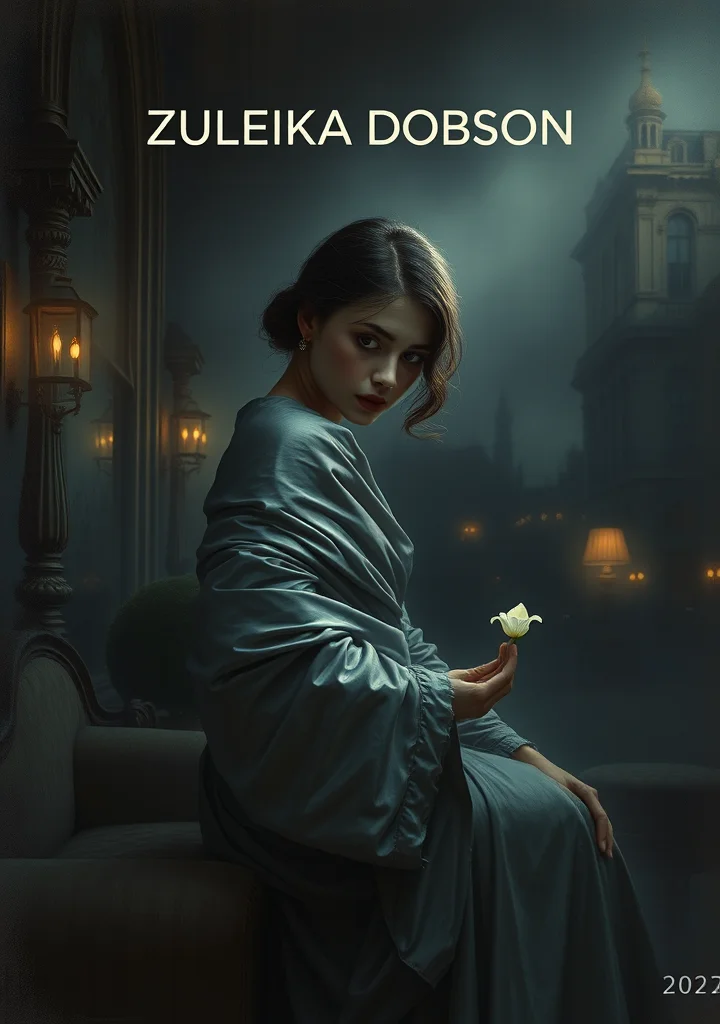
A fog-choked London, perpetually twilight, clings to the decaying grandeur of the Imperial Hotel. Here, amidst the hushed whispers of faded aristocracy and the lingering scent of regret, Zuleika Dobson reigns—a creature of languid beauty and impossible allure. She is a siren for the disillusioned, a collector of broken men drawn to her spectral grace like moths to a dying flame. Each night, in a darkened salon perfumed with jasmine and despair, she enacts a ritual of surrender, offering herself to the most hapless amongst her suitors, only to vanish with the dawn, leaving behind a trail of shattered reputations and hollowed-out hearts. The narrative drifts through the hotel’s labyrinthine corridors, haunted by the ghosts of ambition and lost love. The air is thick with the scent of cigar smoke and unfulfilled desires, a suffocating melancholy that clings to the velvet drapes and tarnished silver. Beerbohm weaves a tapestry of morbid elegance, where the line between reality and illusion dissolves into a shimmering haze, and the reader is left suspended between fascination and revulsion, forever questioning the price of beauty and the hollow echo of a gilded age. The narrative is not driven by plot, but by atmosphere—a creeping dread that settles upon the reader like a shroud, as Zuleika's shadow lengthens, consuming all within her reach.
Copyright: Public Domain
This license allows anyone to use your story for any purpose, including printing, selling, or adapting it into a film freely.
Recommended for you
30 Part
A creeping dread settles over the fog-choked streets of London, a chill deeper than winter’s bite. Not from specters or ghouls, but from something far more insidious – a man unseen, unraveling the very fabric of reality with his absence. The narrative coils tight as a noose around the throat of normalcy, beginning with whispers of strange thefts, disrupted lodging houses, and a growing, inexplicable panic. Wells paints not a monster of claws and fangs, but a suffocating terror born of vanished form, of bandages swathing emptiness, of scientific hubris fracturing the boundaries of human perception. The air itself feels thick with paranoia as the story descends into a desperate scramble for containment, a hunt for a phantom who leaves only footprints in the snow and terror in the eyes of those who glimpse his unraveling. Each chapter bleeds into a mounting hysteria, mirroring the Invisible Man’s escalating desperation, his descent into brutal, desperate acts fueled by both scientific ambition and the crushing weight of his own invisibility. The story isn’t about *what* he does, but *how* his unseen presence poisons the very foundations of trust and order. A creeping sense of isolation permeates every shadowed corner, every locked room. The world shrinks to the perspective of those who can only guess at the shape of their fear, until even the most solid objects seem to warp and betray. The narrative becomes a labyrinth of shattered glass, broken windows, and the suffocating weight of a secret too terrible to bear, a descent into a nightmare where the only certainty is the absence of something… and the growing certainty that it’s watching *you*.
41 Part
A creeping dread clings to the shadowed corners of Blackwood Manor, where the decaying legacy of the Festus family festers like a wound refusing to heal. The narrative unfolds not as a story *told*, but as one *breathed* from the very stones of the estate, a suffocating presence woven into the tapestry of perpetual twilight. Each chamber exhumes the scent of mildew and regret, echoing with the phantom footsteps of generations consumed by an insidious, inherited madness. The air hangs thick with the weight of unspoken sins – whispers of alchemical experiments gone awry, of pacts forged with something ancient and hungry beneath the moor. A slow rot permeates the land, mirroring the dissolution of the Festus lineage, each heir more spectral, more fractured than the last. The novel doesn’t merely depict horror; it *becomes* it – a labyrinth of suffocating hallways, choked gardens, and the unsettling stillness of portraits whose eyes follow you with a chilling, predatory intelligence. Expect a descent into a suffocating claustrophobia of the mind, where the boundaries between dream and nightmare dissolve into a single, suffocating darkness. The landscape itself is a character, a brooding, desolate expanse that feeds on the sanity of those who dare to linger within its grasp. It is a place where the past doesn’t haunt you, it *becomes* you, molding flesh and bone to the shape of Blackwood’s unending sorrow. The narrative unfolds with the slow, deliberate cadence of a coffin being lowered into the earth, each chapter a layer of dust settling upon a forgotten grave.