
Modeste Mignon
  • 61
  • 0
  • 4
  • Reads 61
  • 0
  • Part 4
Completed, First published Mar 02, 2026

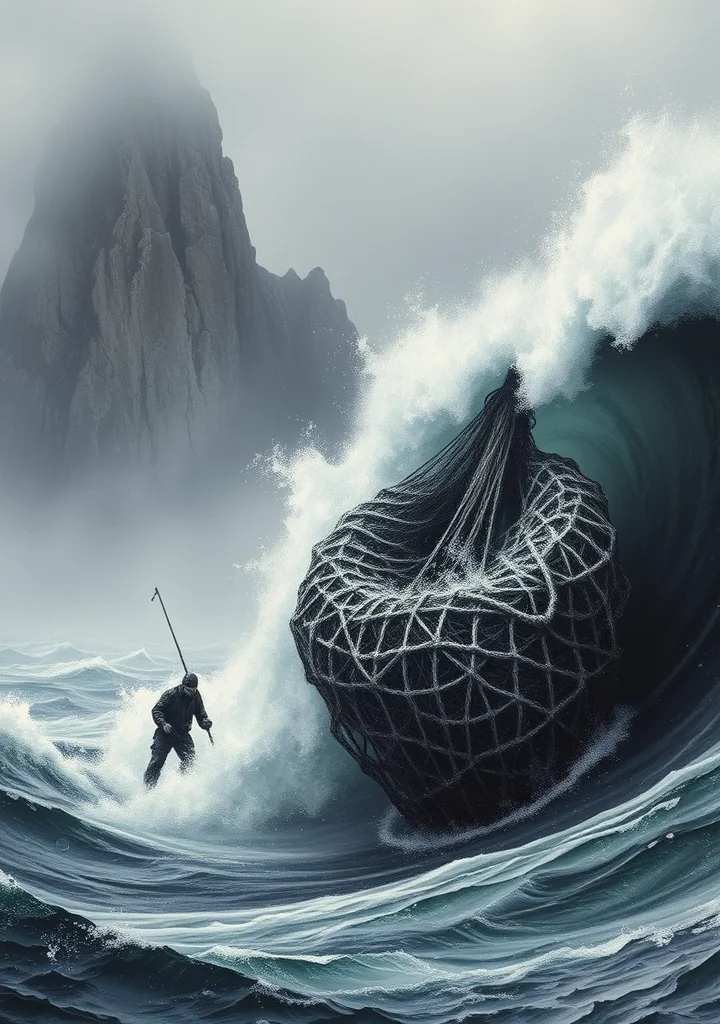
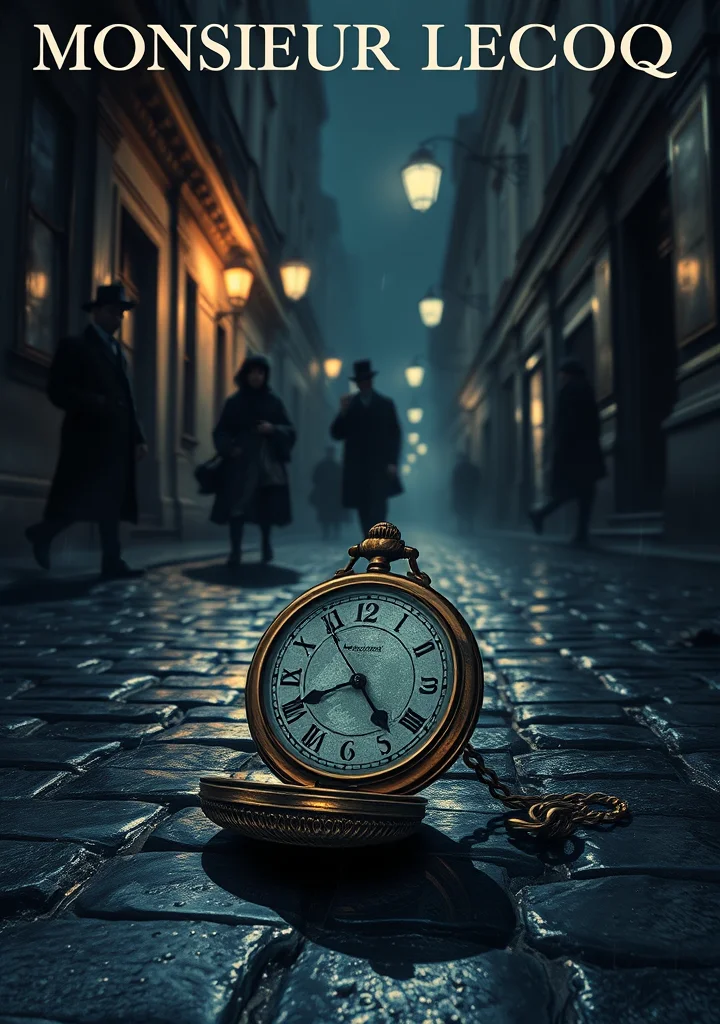
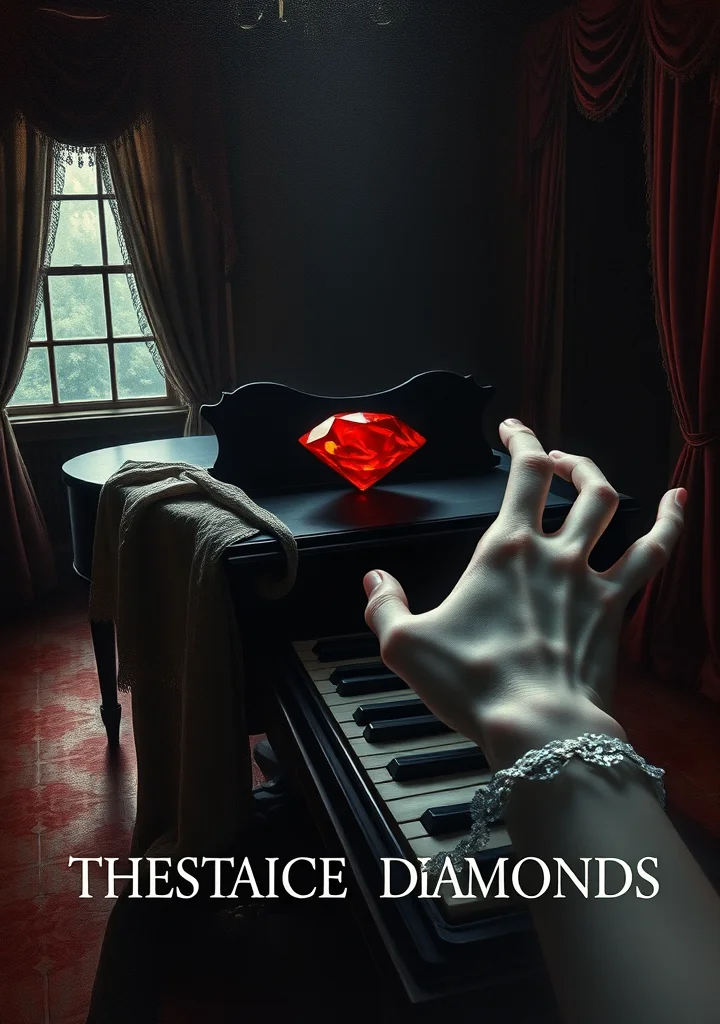
A creeping dread clings to the cobbled streets of Paris, mirroring the suffocating secrets within the Mignon family. Dust motes dance in the perpetual twilight of decaying apartments, each shadowed corner holding a whispered accusation. The narrative unfolds like a slow poison, tracing the fractured life of Modeste, a creature caught between the suffocating ambition of her mother and the phantom debts of a vanished father. A suffocating elegance permeates every scene—gilded cages, moth-eaten velvet, and the scent of stale perfume— masking a rot of obsession and ruin. The air thickens with the weight of unspoken desires, each glance a calculation, each kindness a snare. The city itself seems to breathe with the Mignon’s despair, its labyrinthine alleys echoing with the footsteps of those who would exploit Modeste’s fragile beauty. A chilling sense of inevitability descends as the narrative spirals toward a shadowed climax, where the boundaries between innocence and corruption blur within a suffocating, claustrophobic world. The story isn't merely told, it is *felt*—a damp chill on the skin, the taste of ash in the mouth, the haunting echo of a forgotten melody.
Copyright: Public Domain
This license allows anyone to use your story for any purpose, including printing, selling, or adapting it into a film freely.
Recommended for you
101 Part
A creeping fog clings to the Yorkshire moors, mirroring the secrets held within the hearts of five strangers bound together by chance and a shared, unsettling journey. The year is nineteen thirty-one, and the weight of England’s failing industries presses down on each companion like a suffocating shroud. But this is no mere tale of economic hardship. It’s a slow unraveling, a gothic pilgrimage across a landscape haunted by fractured memories and the ghosts of unspoken desires. Each character carries a fragment of a forgotten tragedy, their pasts woven into the very fabric of the crumbling pubs and desolate railway lines they traverse. The narrative breathes with a melancholic rhythm, echoing the rhythmic clatter of train wheels and the mournful cry of distant sheep. A sense of premonition hangs heavy – not of spectacular doom, but of quiet, insidious decay. The camaraderie feels brittle, laced with suspicion and a desperate need to understand the shadows lurking within their companions’ eyes. As the companions draw closer to London, the oppressive atmosphere intensifies, mirroring the city’s labyrinthine streets and the moral murk beneath its glittering façade. A creeping sense of inevitability settles upon them, hinting that their shared journey isn’t merely across England, but towards a reckoning with the darkness within themselves. It’s a story told in hushed tones, where the true horrors aren’t found in grand gestures, but in the silences between words and the chilling recognition of shared, unacknowledged grief.
27 Part
A creeping rot clings to the cobblestones of this unnamed city, where shadows stretch from gas lamps to strangle the last embers of hope. Jean Grave doesn't offer grand narratives of rebellion, but rather a descent into the marrow of decay, a slow unraveling witnessed through the eyes of those already half-consumed by the void. The air itself is thick with the stench of burnt ambition and the whispered anxieties of a populace fractured not by class, but by a creeping nihilism. Every alleyway breathes with the weight of forgotten gods and the hollow laughter of those who’ve traded their souls for fleeting moments of control. There’s no explosive uprising here, only the insidious bloom of apathy, a willing surrender to the encroaching darkness. Characters drift through decaying salons and labyrinthine sewers, their faces gaunt, their desires reduced to a desperate scramble for warmth and oblivion. The prose is less a story and more a haunting echo of fractured consciousness. It's a suffocating claustrophobia of crumbling brick, the metallic tang of blood on the tongue, and the chilling realization that the true anarchy isn't *against* society, but *within* it—a silent, internal crumbling of the will to resist the inevitable. This is not a revolution; it’s a slow, deliberate drowning in the silt of despair, where the last flickering embers of humanity are extinguished one by one, swallowed by the yawning maw of nothingness. The city *is* the monster, and it feeds on the ghosts of its own making.