
-
Read 753
-
0
-
Part 56
Completed, First published Mar 02, 2026
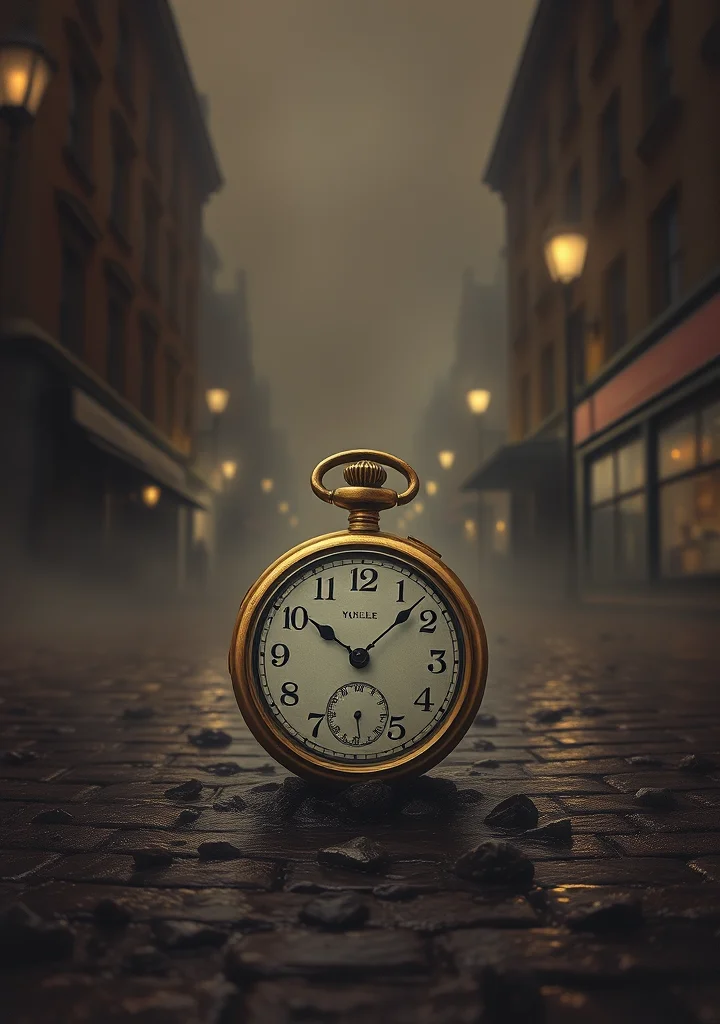
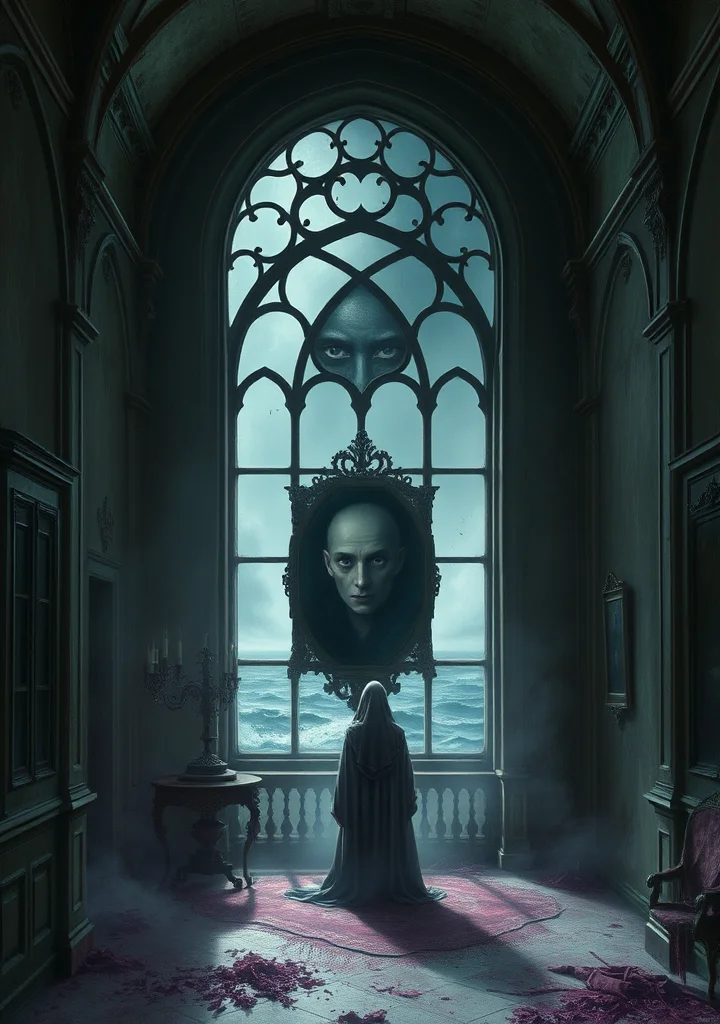
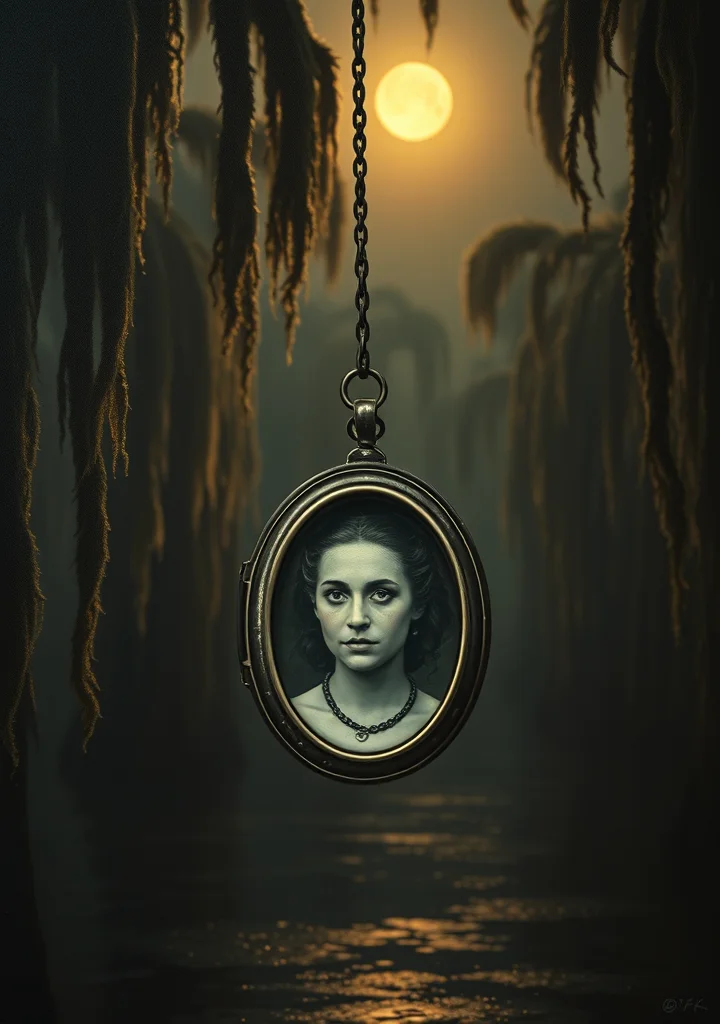
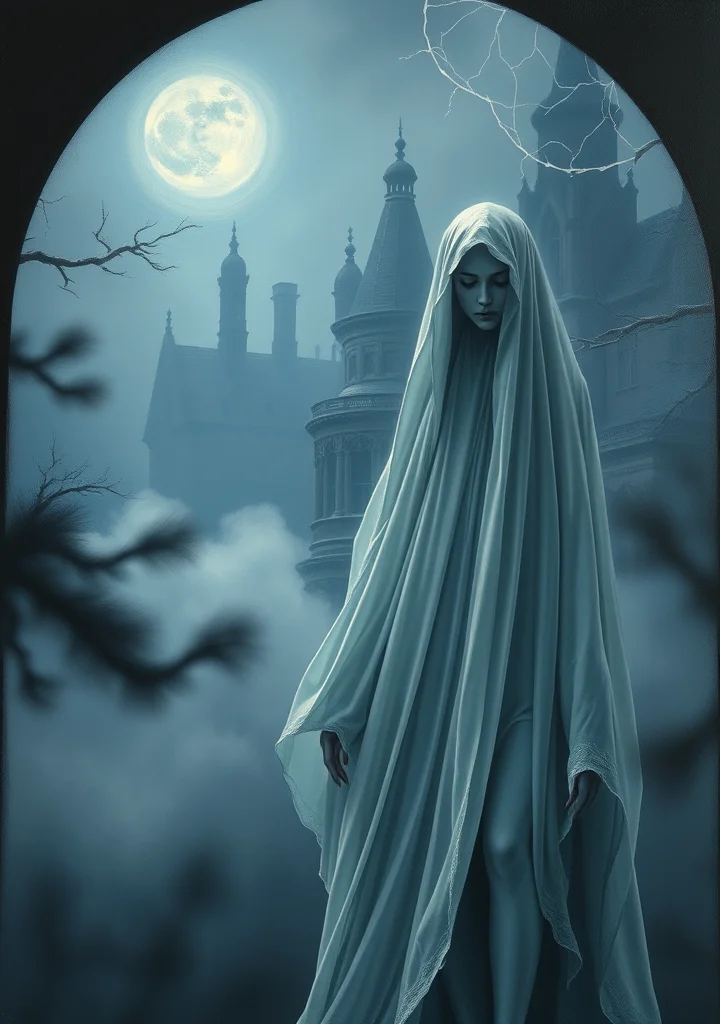
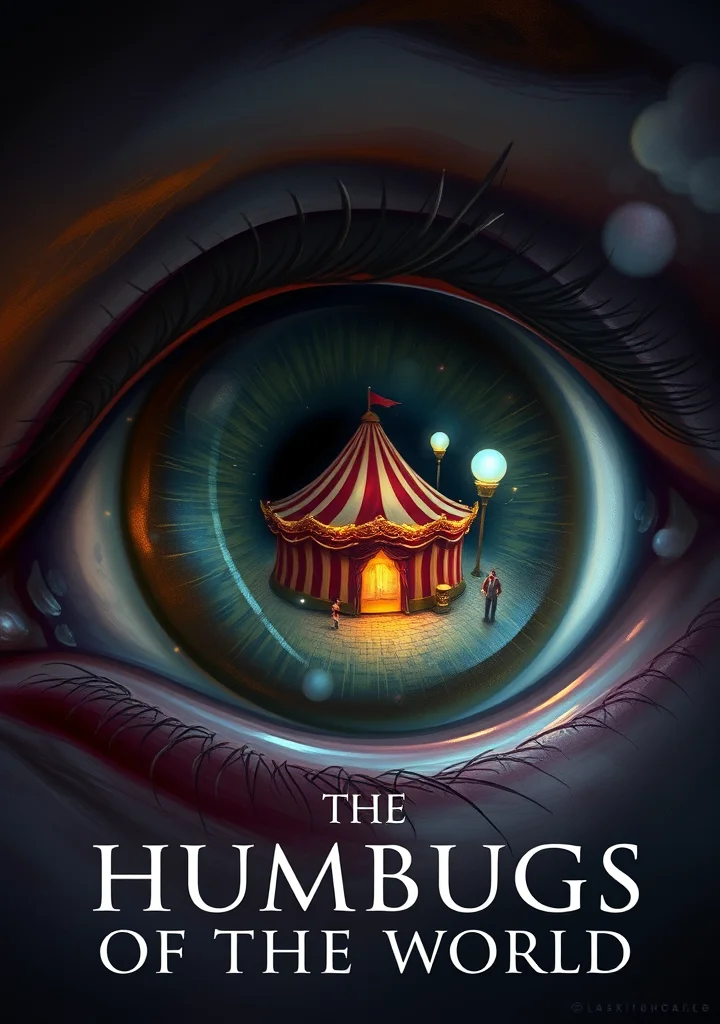
A creeping fog clings to the cobbled streets, mirroring the deceptive shimmer in Barnum’s eyes. This is not a tale of monsters under the bed, but of the monsters *making* the beds – the gilded cages of ambition, the sawdust-perfumed lies spun in every parlor and tent. The narrative winds like a carnival’s maze, each chapter a new marvel, a new deformity paraded for a gawking crowd. Every “genuine” artifact, every “authentic” wonder, feels less like discovery and more like excavation from a tomb of human vanity. The air is thick with the scent of brine from fabricated mermaids and the phantom sweat of performers desperate to believe their own illusions. A profound loneliness bleeds from the margins, the silence of those discarded curiosities – the real freaks, not those displayed, but those who built the spectacle. The story doesn’t simply *show* you the humbugs; it forces you to breathe their dust, taste their sugar-coated rot, and recognize your own reflection in the cracked mirror of Barnum’s grand deception. The further you descend into the narrative, the more the gaslight flickers, revealing not monsters, but the hollowed-out shells of men chasing phantoms. It is a labyrinth of broken promises, where the only true wonder is how much darkness a man can carry in his smile.
Copyright: Public Domain
This license allows anyone to use your story for any purpose, including printing, selling, or adapting it into a film freely.
This license allows anyone to use your story for any purpose, including printing, selling, or adapting it into a film freely.
Chapter List
-
« The Humbugs of the World »📖 Continue Reading
-
« Chapter_3 »
-
« Publisher’s Note »
-
« Introduction »
-
« The Humbugs of the World »
-
« Chapter_8 »
-
« Chapter_9 »
-
« Chapter_10 »
-
« Chapter_11 »
-
« Chapter_12 »
-
« Chapter_13 »
-
« Chapter_14 »
-
« Chapter_15 »
-
« Chapter_17 »
-
« Chapter_18 »
-
« Chapter_19 »
-
« Chapter_20 »
-
« Chapter_21 »
-
« Chapter_22 »
-
« Chapter_23 »
-
« Chapter_24 »
-
« Chapter_25 »
-
« Chapter_27 »
-
« Chapter_28 »
-
« Chapter_29 »
-
« Chapter_30 »
-
« Chapter_31 »
-
« Chapter_32 »
-
« Chapter_34 »
-
« Chapter_35 »
-
« Chapter_36 »
-
« Chapter_37 »
-
« PartV »
-
« Chapter_39 »
-
« Chapter_40 »
-
« Chapter_41 »
-
« Chapter_43 »
-
« Chapter_44 »
-
« Chapter_45 »
-
« Chapter_47 »
-
« Chapter_48 »
-
« Chapter_49 »
-
« Chapter_50 »
-
« Chapter_51 »
-
« Chapter_53 »
-
« Chapter_54 »
-
« Chapter_55 »
-
« Chapter_56 »
-
« Chapter_57 »
-
« Chapter_59 »
-
« Chapter_60 »
-
« Chapter_61 »
-
« Chapter_62 »
-
« Chapter_63 »
-
« Chapter_64 »
-
« Chapter_65 »
56
-
« The Humbugs of the World »
-
« Chapter_3 »
-
« Publisher’s Note »
-
« Introduction »
-
« The Humbugs of the World »
-
« Chapter_8 »
-
« Chapter_9 »
-
« Chapter_10 »
-
« Chapter_11 »
-
« Chapter_12 »
-
« Chapter_13 »
-
« Chapter_14 »
-
« Chapter_15 »
-
« Chapter_17 »
-
« Chapter_18 »
-
« Chapter_19 »
-
« Chapter_20 »
-
« Chapter_21 »
-
« Chapter_22 »
-
« Chapter_23 »
-
« Chapter_24 »
-
« Chapter_25 »
-
« Chapter_27 »
-
« Chapter_28 »
-
« Chapter_29 »
-
« Chapter_30 »
-
« Chapter_31 »
-
« Chapter_32 »
-
« Chapter_34 »
-
« Chapter_35 »
-
« Chapter_36 »
-
« Chapter_37 »
-
« PartV »
-
« Chapter_39 »
-
« Chapter_40 »
-
« Chapter_41 »
-
« Chapter_43 »
-
« Chapter_44 »
-
« Chapter_45 »
-
« Chapter_47 »
-
« Chapter_48 »
-
« Chapter_49 »
-
« Chapter_50 »
-
« Chapter_51 »
-
« Chapter_53 »
-
« Chapter_54 »
-
« Chapter_55 »
-
« Chapter_56 »
-
« Chapter_57 »
-
« Chapter_59 »
-
« Chapter_60 »
-
« Chapter_61 »
-
« Chapter_62 »
-
« Chapter_63 »
-
« Chapter_64 »
-
« Chapter_65 »
More like this