
-
Read 286
-
0
-
Part 13
Completed, First published Mar 02, 2026
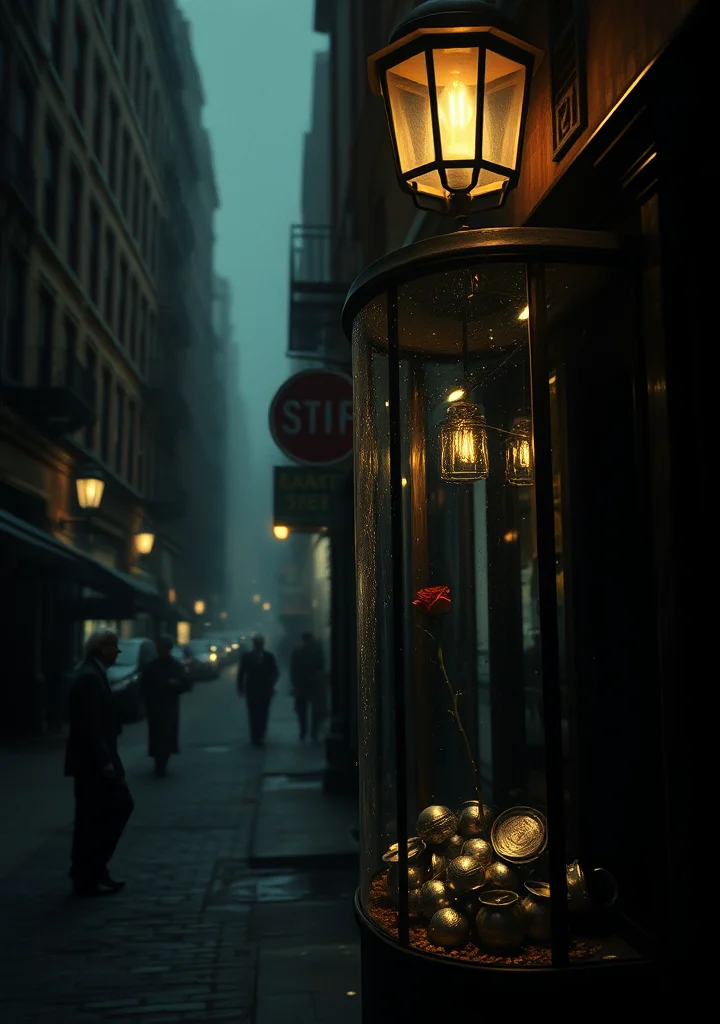
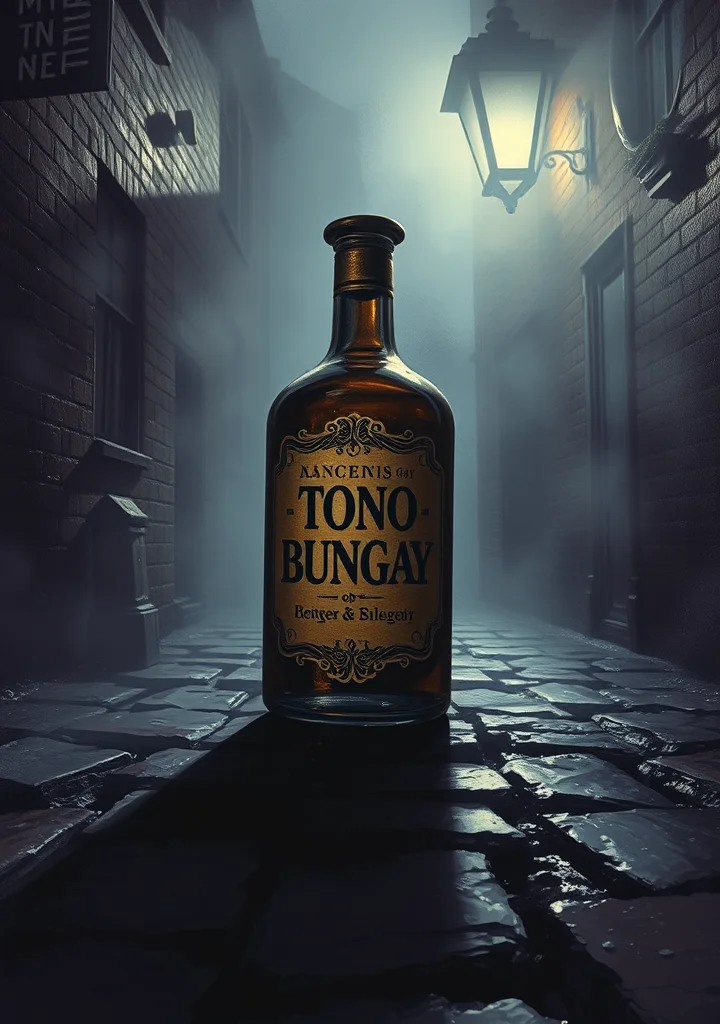
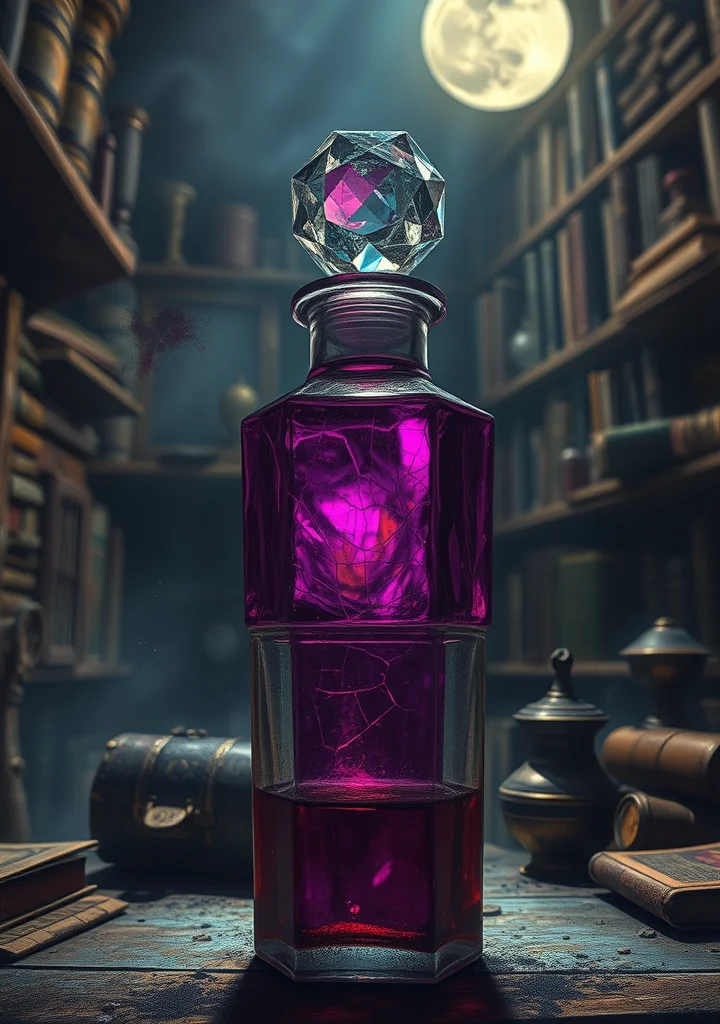
A creeping dread clings to the shadowed corners of the Rue de la Chaume, where a Parisian antiquarian, haunted by whispers of alchemy and lost legacies, unearths a sealed vial—its stopper, a flawless crystal prism. The air within the shop thickens with the scent of dust and decay, mirroring the rot that festers beneath the city’s glittering facade. This is not merely a theft of a jewel, but an invitation to a descent into the fractured memories of a forgotten sorcerer. Each facet of the crystal refracts not light, but fragments of a fractured life, revealing glimpses of shadowed rituals performed under the pallid glow of gas lamps. A labyrinthine pursuit unfolds through rain-slicked cobblestone streets and decaying mansions, each encounter steeped in the perfume of absinthe and desperation. The city breathes around him, a suffocating presence, as the antiquarian unravels a legacy of obsession, where the pursuit of immortality has left only echoes of madness and the chilling residue of lives consumed by a desperate, crystalline hunger. The glass holds a secret, and to break the seal is to unleash not a treasure, but a contagion of despair that will seep into the very stones of Paris.
Copyright: Public Domain
This license allows anyone to use your story for any purpose, including printing, selling, or adapting it into a film freely.
This license allows anyone to use your story for any purpose, including printing, selling, or adapting it into a film freely.
More like this