
-
Read 333
-
0
-
Part 23
Completed, First published Mar 02, 2026
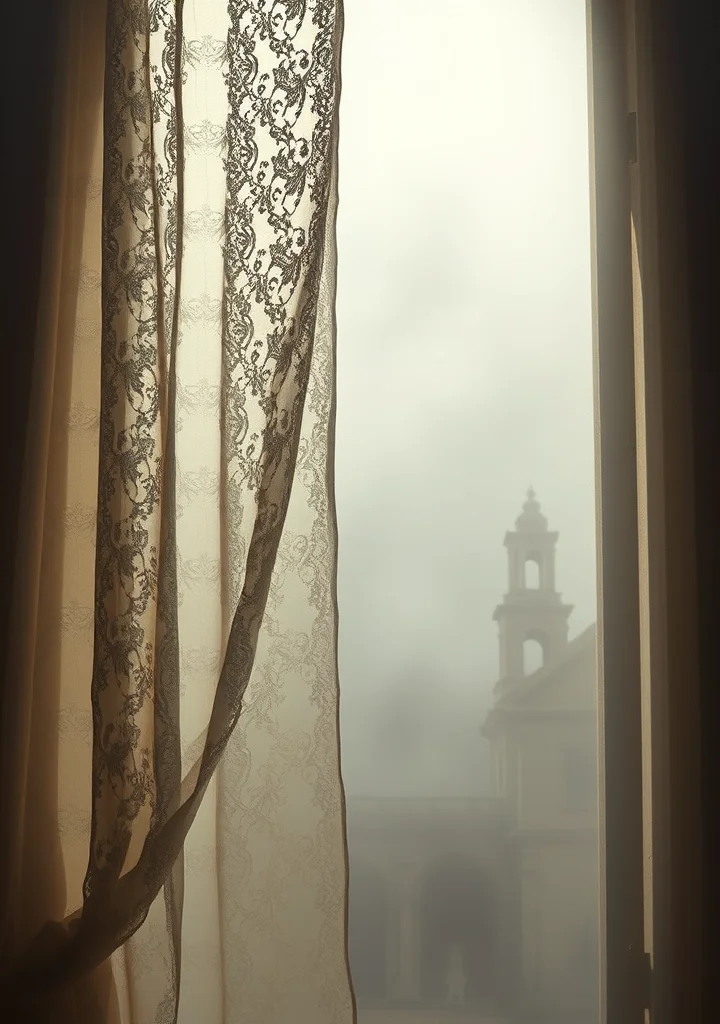
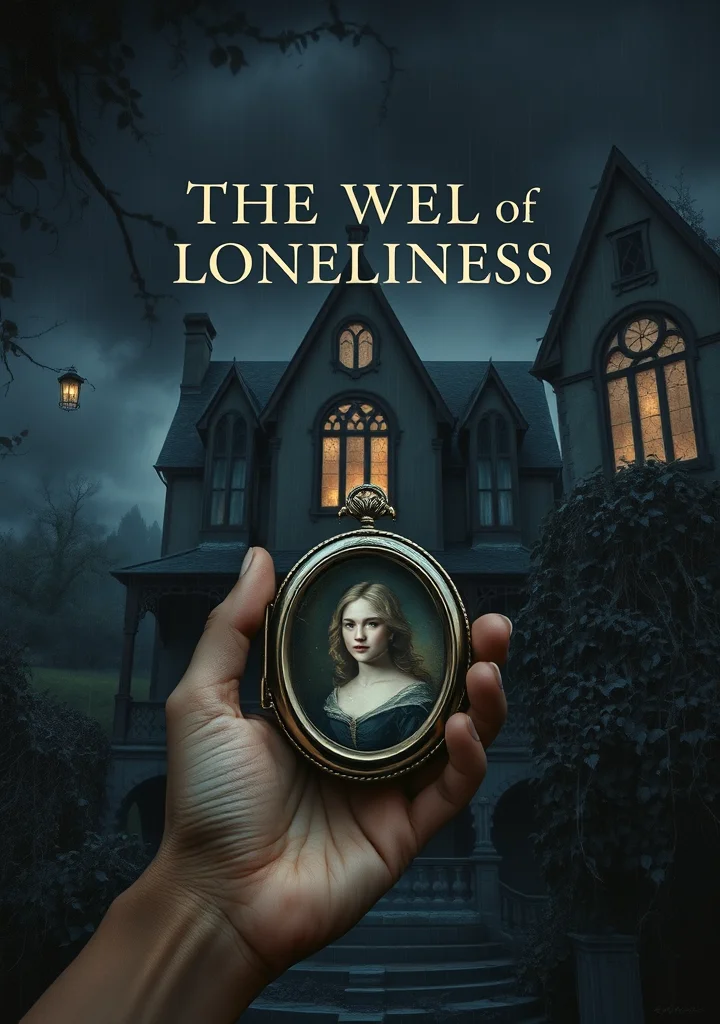
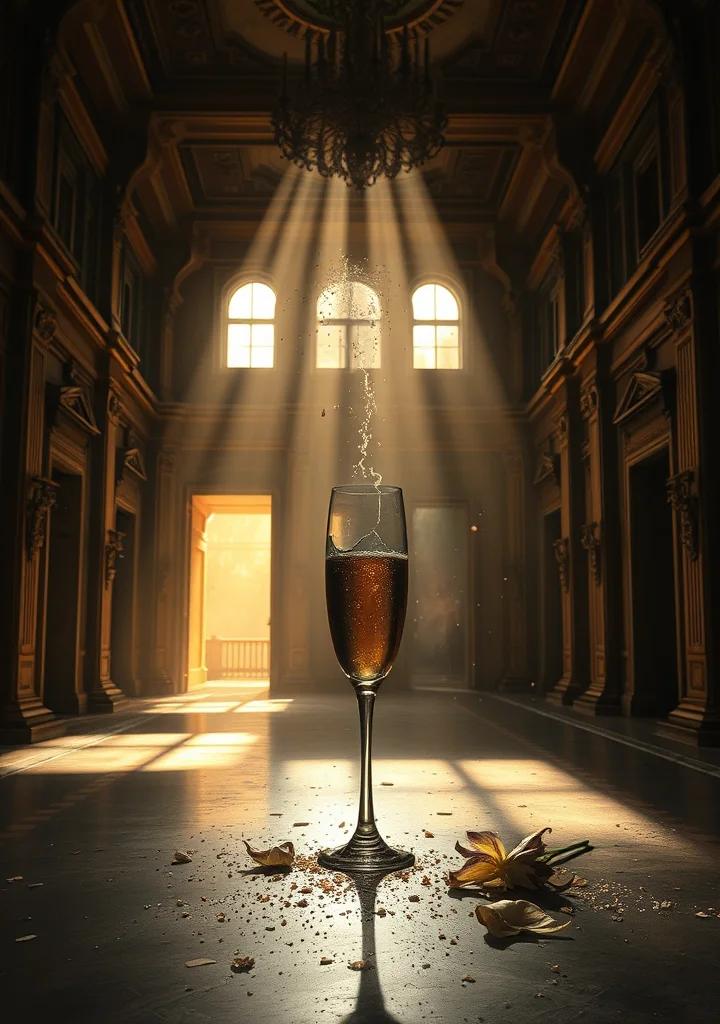
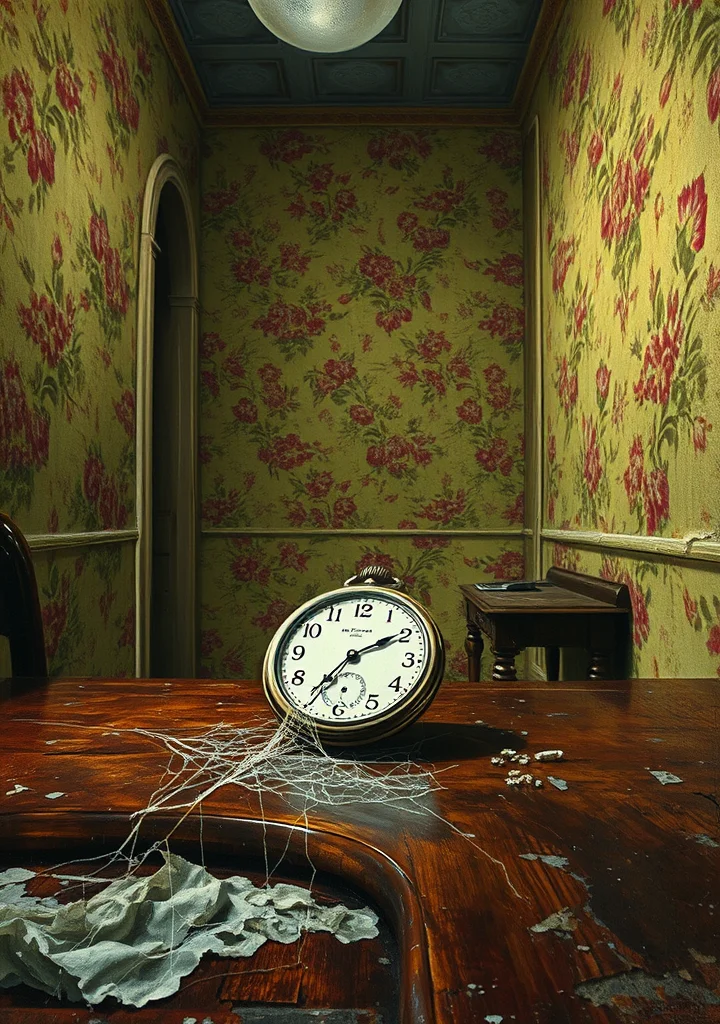
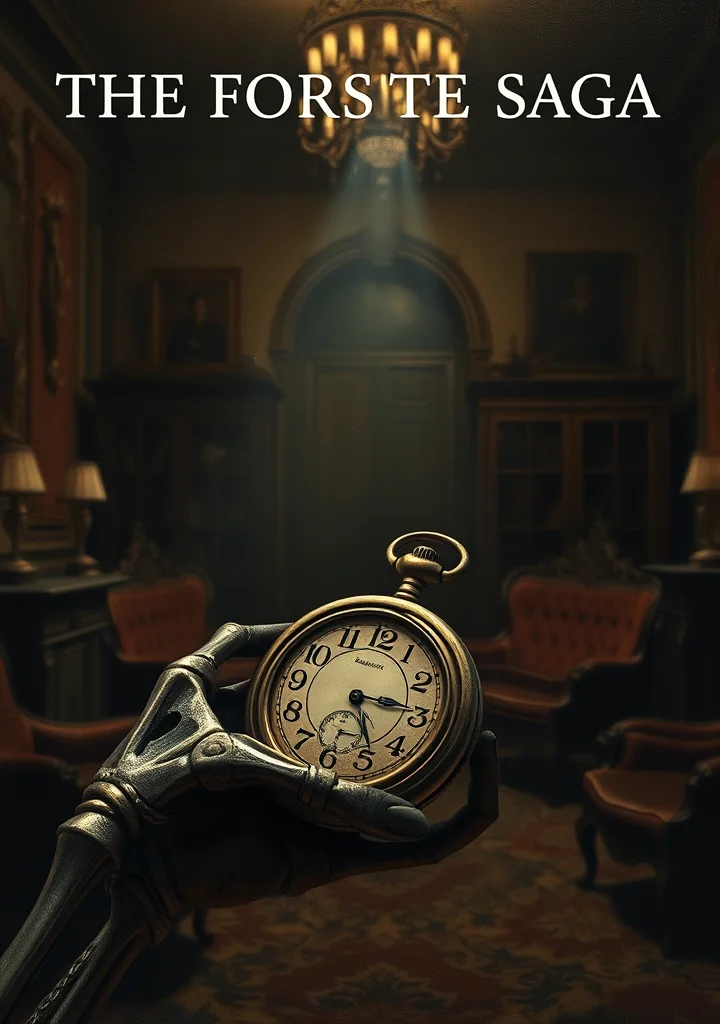
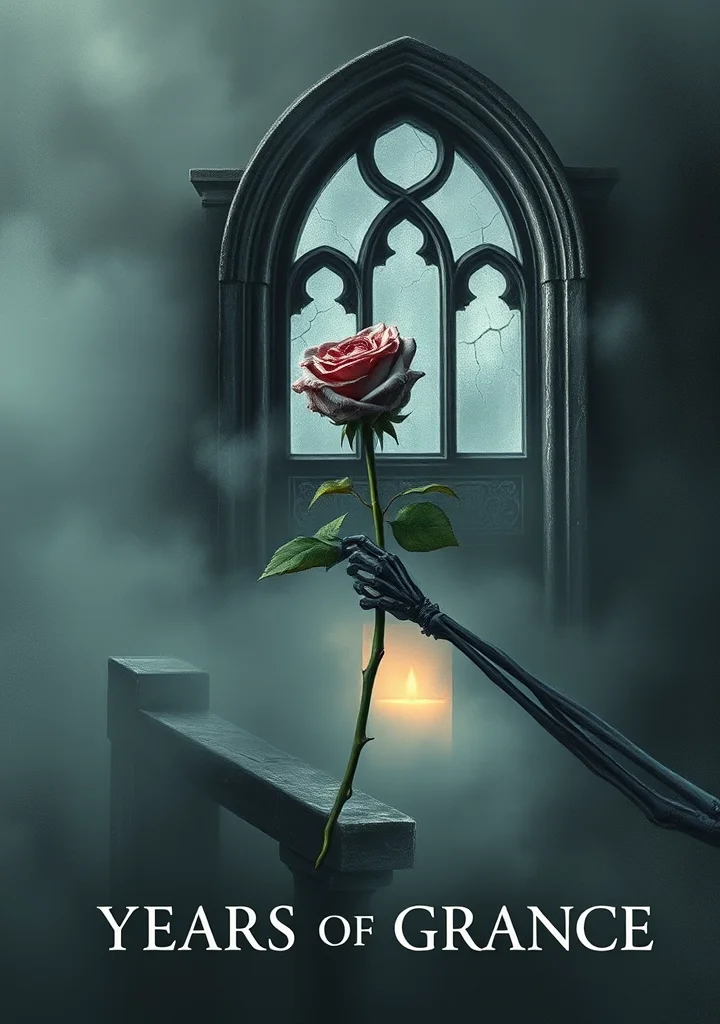
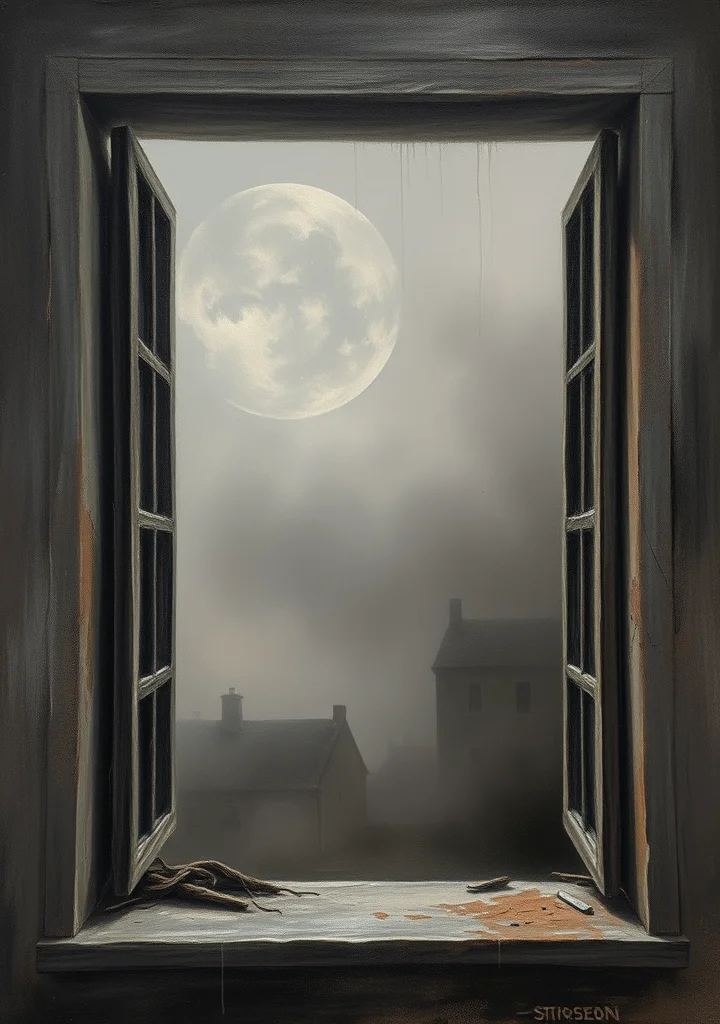
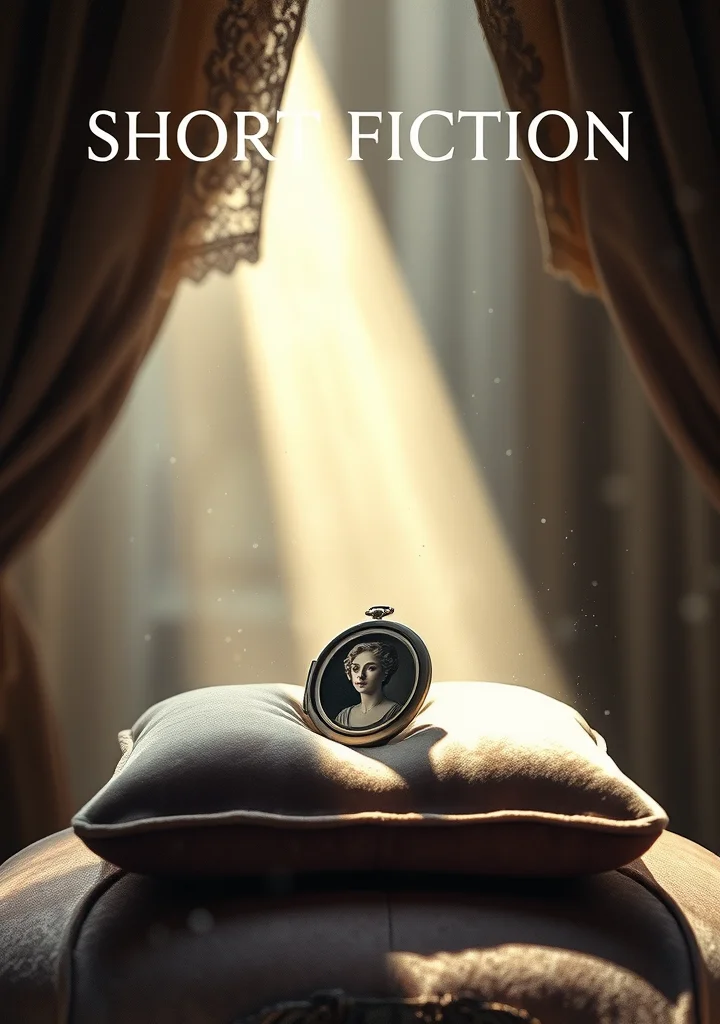
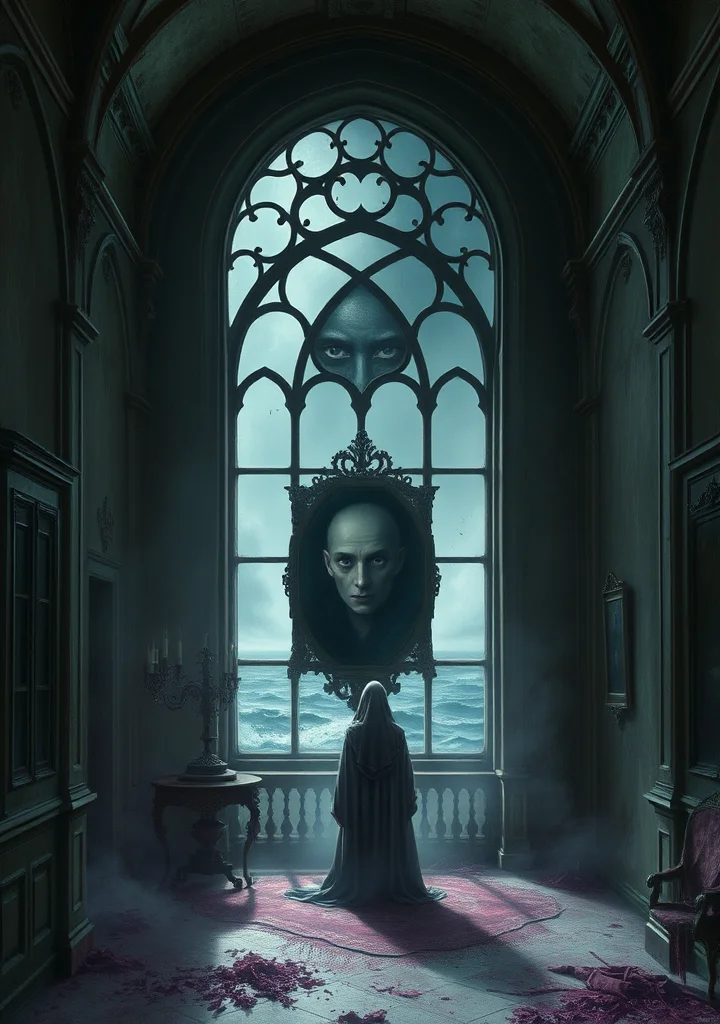
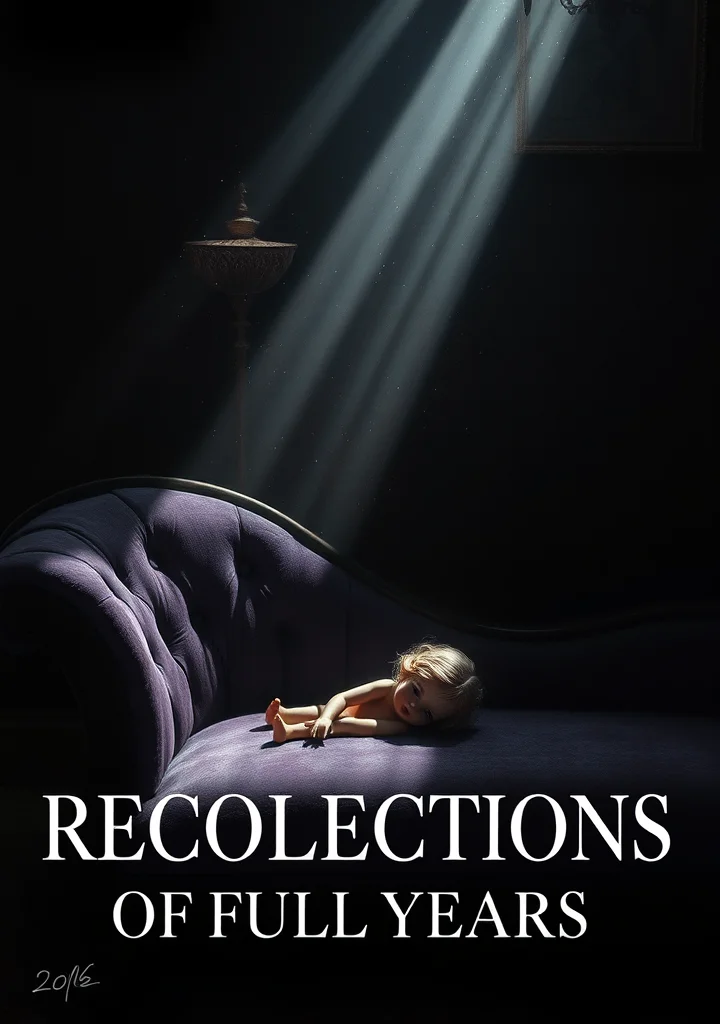
Dust motes dance in the perpetual twilight of Blackwood Manor, mirroring the fragmented memories clinging to its stone. Helen Herron Taft’s narrative unfolds not as a story, but as a slow excavation of a life entombed within decaying grandeur. Each recollection is a chipped fragment of porcelain, revealing glimpses of shadowed parlors, stifled grief, and the chilling weight of inherited silence.
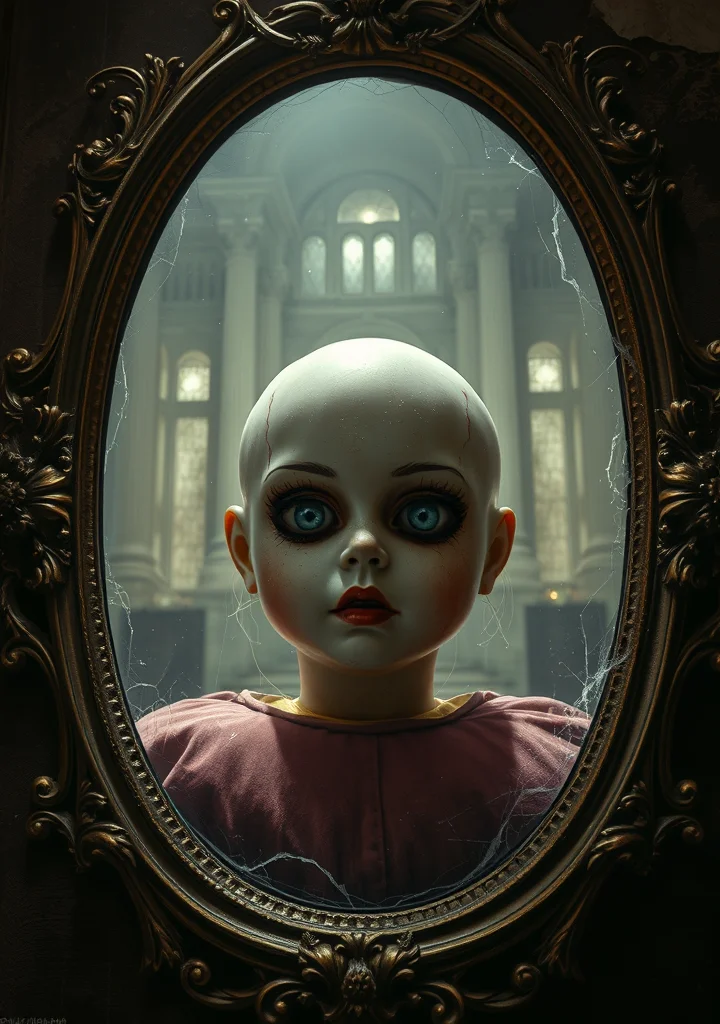
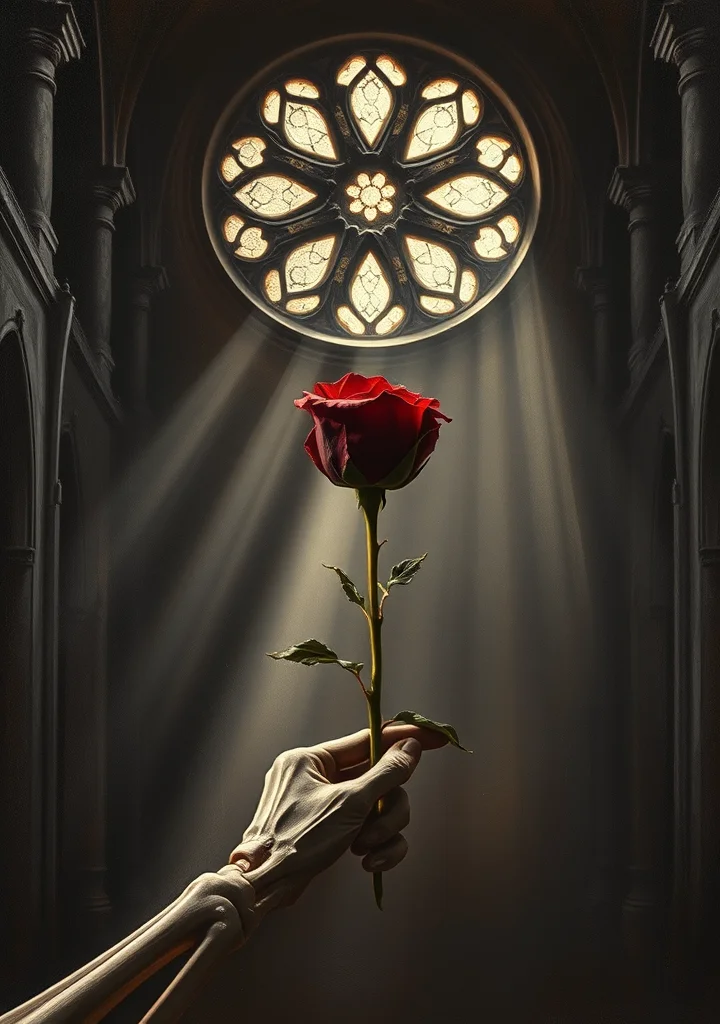
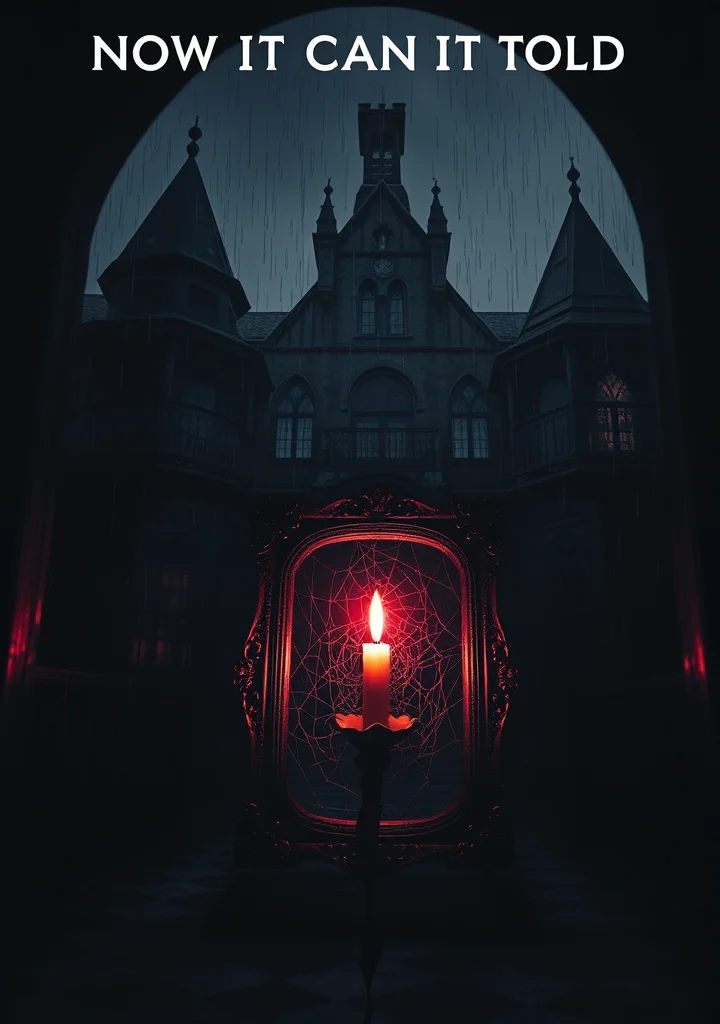
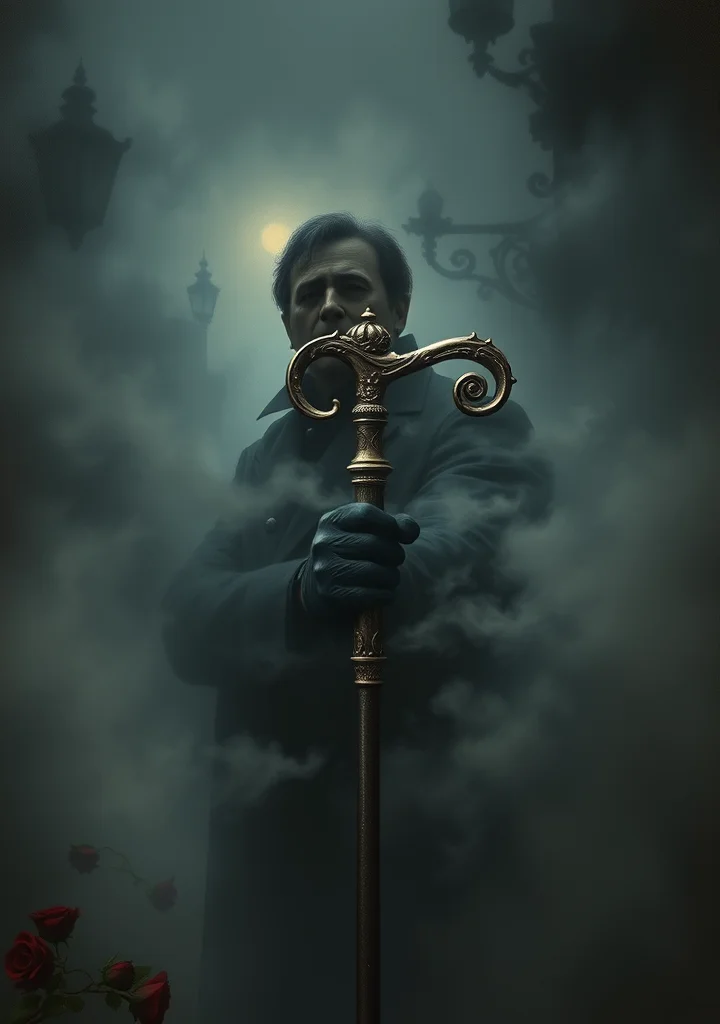
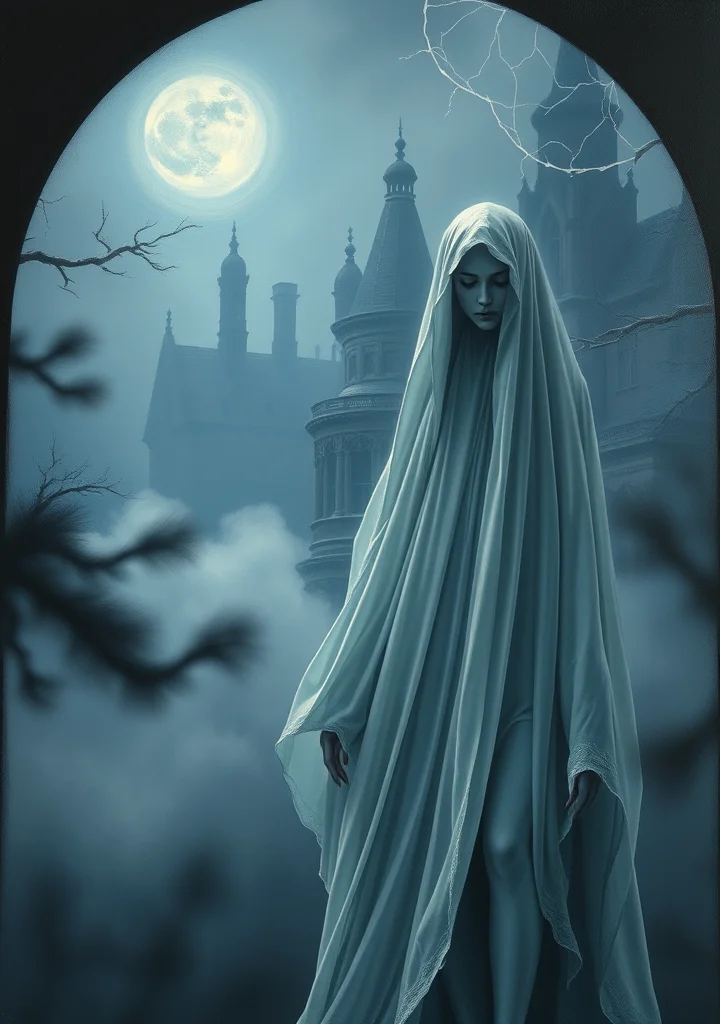
The air hangs thick with the scent of withered roses and regret. A spectral governess drifts through the corridors, her whispers echoing the secrets woven into the tapestry-laden walls. The narrative is less about what *happened* and more about the suffocating *how* – how the years calcify around the heart, how faces blur into masks of polite despair, and how the very stones of Blackwood seem to absorb the sorrow of generations.
A subtle, pervasive dread permeates every chapter, born not of monstrous horrors but of the insidious rot of loneliness and unspoken longing. It’s a world where the only warmth comes from the flickering hearth fire, and the only company, the ghosts of those who once walked these halls, forever bound to the echoes of their own fading lives. The prose itself feels like a crumbling antique, its elegance masking a core of brittle fragility, promising only fragments of a past that refuses to fully yield its secrets.
Copyright: Public Domain
This license allows anyone to use your story for any purpose, including printing, selling, or adapting it into a film freely.
This license allows anyone to use your story for any purpose, including printing, selling, or adapting it into a film freely.
More like this