
The Servile State
  • 120
  • 0
  • 18
  • Reads 120
  • 0
  • Part 18
Completed, First published Mar 02, 2026

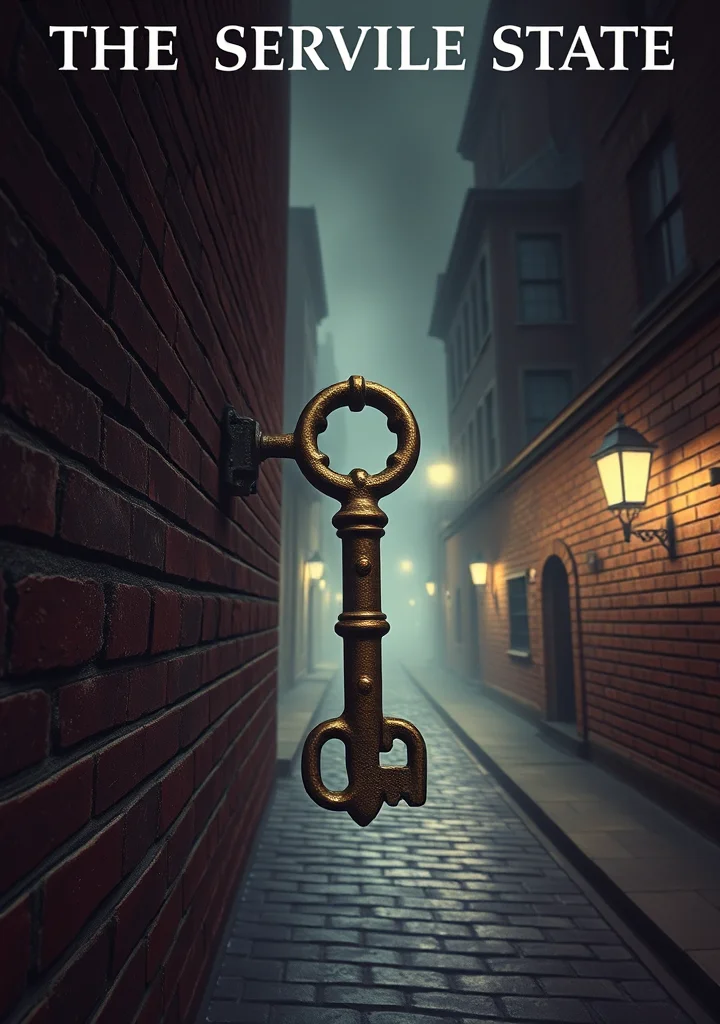
A creeping dread permeates the cobbled streets and shadowed parlours of Belloc’s England, not of outright horror, but of a suffocating, bureaucratic rot. The air hangs thick with the scent of damp wool and stale ink, clinging to the lungs like a confession whispered in a darkened confessional. Here, obedience isn’t merely expected—it’s woven into the very brickwork of society, a silent, insidious architecture of control. Each act of compliance, each murmured ‘yes, sir,’ builds another layer upon a foundation of unseen servitude. The narrative doesn’t burst with monstrous deeds, but unfolds as a slow, glacial shift, the tightening of unseen gears within the clockwork heart of the nation. A perpetual twilight descends, blurring the lines between citizen and subject, loyalty and submission. The true terror lies not in what is *done*, but in the chilling, unacknowledged *becoming*—the gradual erasure of individual will beneath the weight of a perfectly ordered, and utterly desolate, state. The narrative is a descent into a fog-laden labyrinth of duty, where the echoes of dissent are swallowed by the polite, suffocating silence of the well-governed. It is a place where the soul itself is quietly, meticulously, enrolled.
Copyright: Public Domain
This license allows anyone to use your story for any purpose, including printing, selling, or adapting it into a film freely.

Recommended for you
148 Part
A creeping dread clings to the Dorset coast, a salt-laced miasma rising from the crumbling cliffs and shadowed coves. The village of Little Porthaven holds its secrets tight, woven into the very stone of its cottages and the mournful cry of the gulls. Old Man Tremaine, they say, died of the bread – not the eating of it, but the *making* of it. His final loaf, vast and swollen with a sickening sweetness, was found cooling on the sill, a grotesque parody of domestic comfort. But the bread wasn’t merely a final act. It was a symptom. A slow rot spreading through the Tremaine household, mirroring the insidious decay of the manor itself. Whispers of ancient pacts with the sea, of bargains struck with things best left undisturbed in the black depths, cling to the scent of yeast and flour. The new owners, the Harwoods, arrive seeking respite, unaware they’ve walked into a tomb already claimed. Each slice cut from the giant loaf seems to bleed a little more of the village’s history, staining the air with a cloying guilt. The scent of it clings to the fingers, to the linen, to the very thoughts of those who dare to taste it. It’s a flavor of loss, of forgotten gods, of a hunger that cannot be sated by mortal hands. The house itself breathes, exhaling the cold breath of something ancient and hungry. The shadows lengthen, not with the fall of dusk, but with the weight of the bread itself, pressing down on the living until they too, become part of its slow, suffocating bloom.

36 Part
A creeping chill settles over the brownstone facades of New York, mirroring the slow, insidious decay of innocence within Catherine Sloper. The air hangs heavy with unspoken anxieties, thick with the scent of decaying roses and the hushed judgments of a society obsessed with pedigree. Every shadowed corner of Washington Square seems to breathe with the weight of expectation, a gilded cage designed to stifle the blossoming spirit of a woman deemed plain, practical, and possessed of a fortune too easily coveted. A suffocating inheritance becomes a cage of observation, where every glance, every calculated kindness, is a transaction in the currency of social climbing. The narrative unfolds as a slow, deliberate unraveling—a dance between perception and reality, shadowed by the predatory gaze of a man whose motives are as labyrinthine as the wrought iron gates guarding the square. A haunting sense of isolation permeates the story, clinging to the damp cobblestones and echoing in the cavernous parlors. It is a world rendered in shades of grey—the grey of dust motes dancing in sunbeams, the grey of faded portraits mirroring past failures, the grey of a heart slowly calcifying beneath layers of constraint. The very architecture seems to conspire to trap Catherine within a suffocating cycle of appraisal, and the final, desolate revelation will leave a residue of unspoken grief clinging to the reader long after the final page is turned. It is a portrait of a life lived not within warmth and light, but within the glacial shadow of expectation.