
-
Read 266
-
0
-
Part 17
Completed, First published Mar 02, 2026
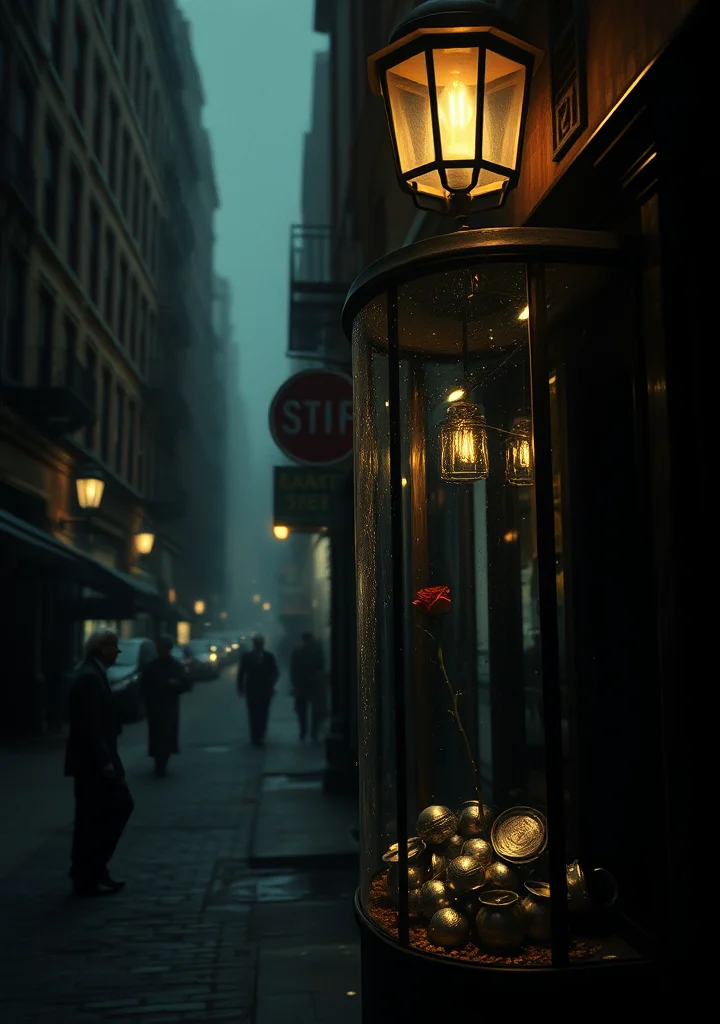
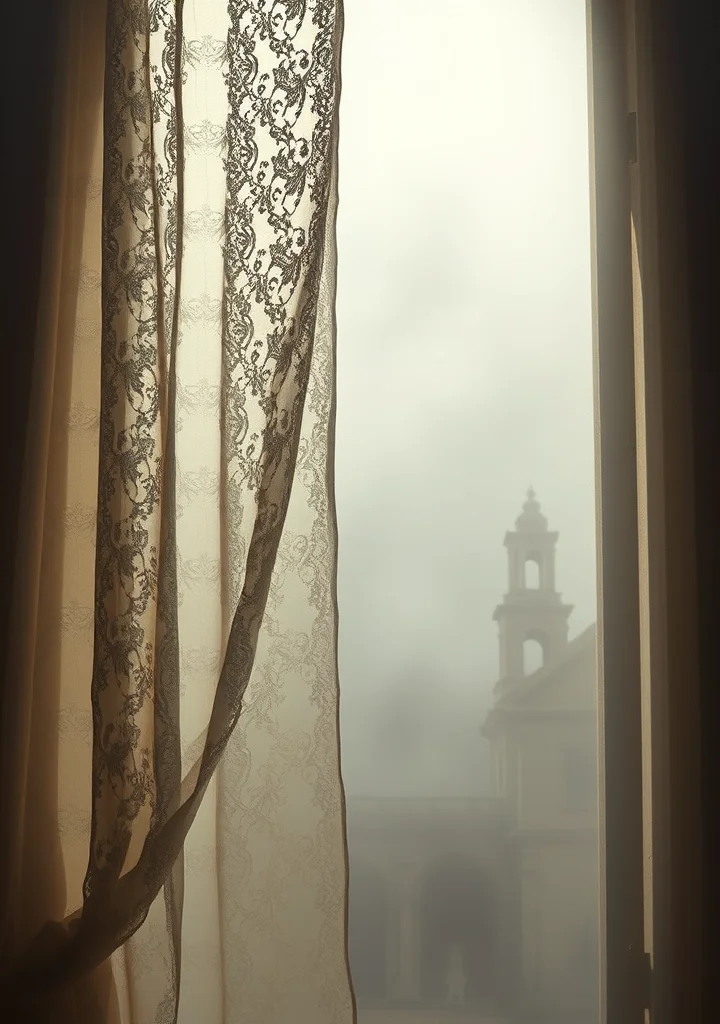
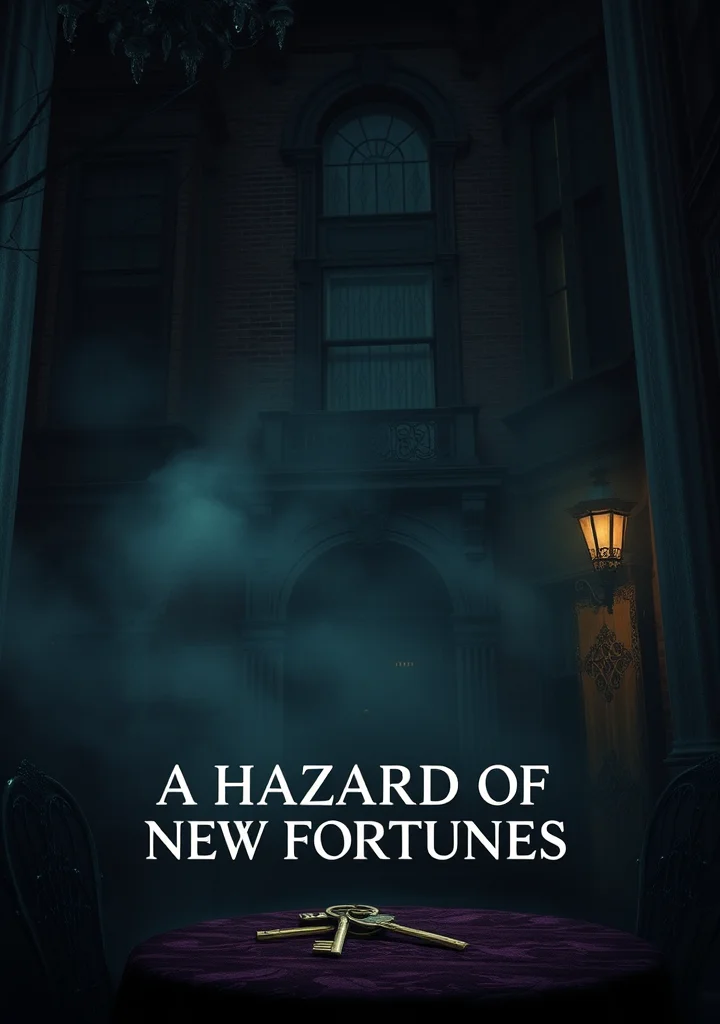
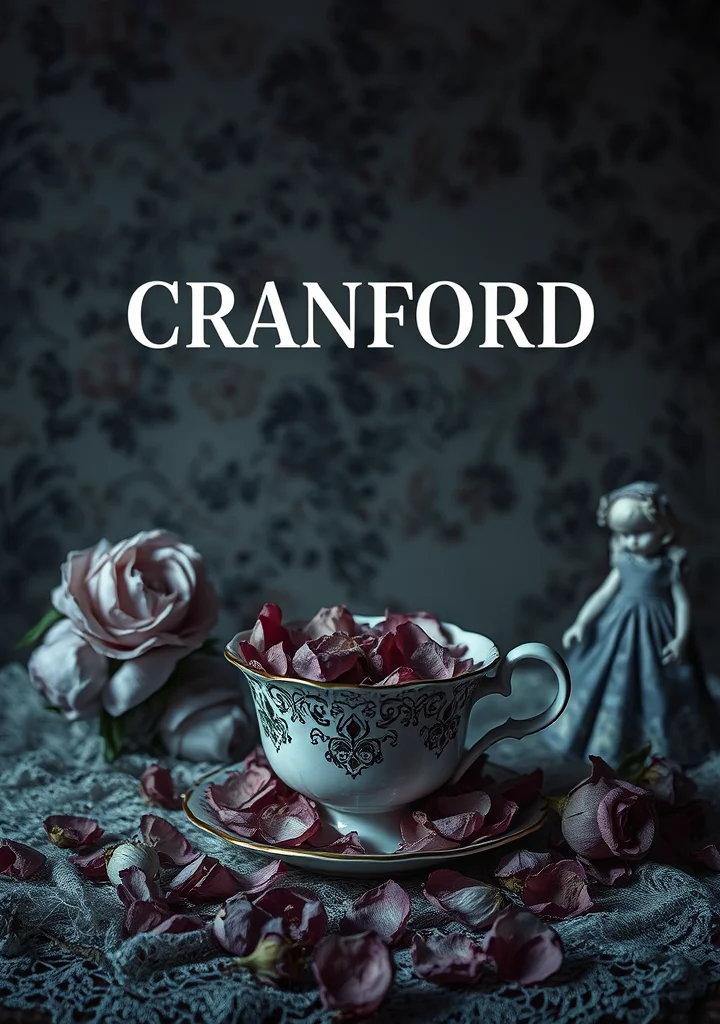
A perpetual twilight clings to Cranford, a village woven from lace and whispers. Cobwebs bloom in shadowed parlours where elderly ladies, delicate as porcelain, preserve a past steeped in ritualistic tea-drinking and the gentle decay of manners. The air hangs thick with unspoken anxieties – not of grand tragedy, but of dwindling fortunes, lost sons, and the creeping encroachment of a modern world threatening to unravel their fragile order. Each carefully curated detail – a ribbon salvaged from a departed lover, a chipped teacup echoing a forgotten quarrel – becomes a morbid relic in a sanctuary built on remembrance. The narrative breathes with the hushed tones of gossip, a stifling politeness masking a desperate loneliness. A creeping sense of isolation permeates every brick-lined lane, as if Cranford itself is a mausoleum for the living, slowly embalmed in the amber of its own sentimentality. Shadows stretch long from the low-hung roofs, concealing not malice, but a quiet desperation to cling to a vanishing elegance, a world where even grief is politely contained within embroidered handkerchiefs. The village is less a place of residence than a slow, elegant unraveling, witnessed through the melancholic gaze of those who remain, watching the threads of their lives fray into the ever-deepening gloom.
Copyright: Public Domain
This license allows anyone to use your story for any purpose, including printing, selling, or adapting it into a film freely.
This license allows anyone to use your story for any purpose, including printing, selling, or adapting it into a film freely.
More like this