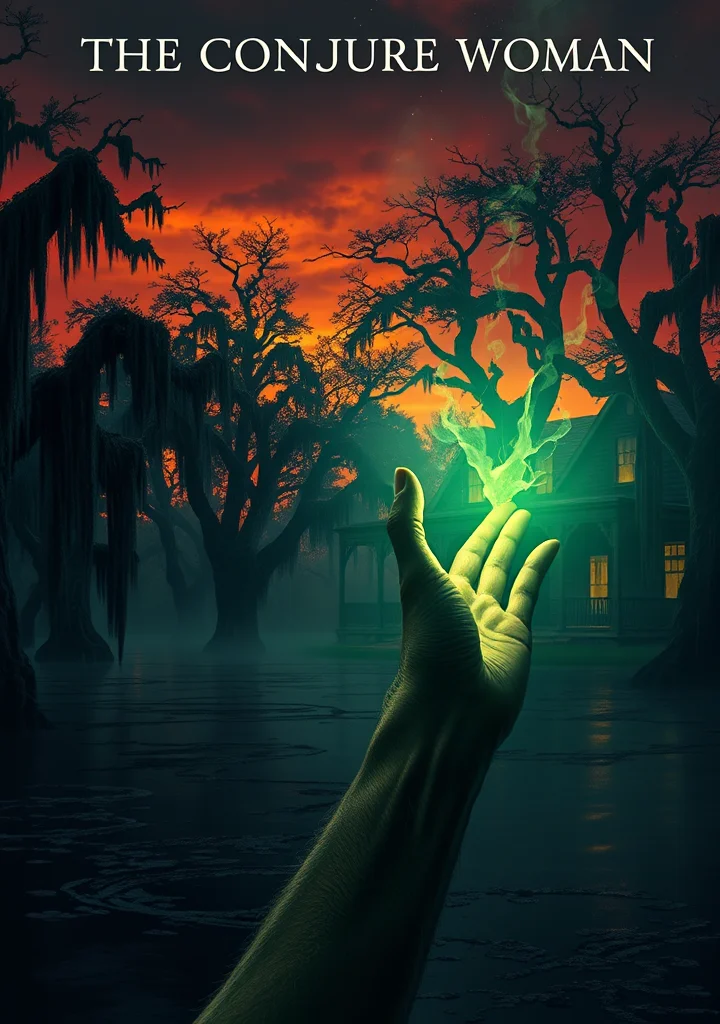

The Conjure Woman
  • 220
  • 0
  • 13
  • Read 220
  • 0
  • Part 13
Completed, First published Mar 02, 2026

Dust hangs thick in the Louisiana cane fields, mirroring the suffocating secrets that cling to the decaying grandeur of the plantation house. Here, the line between the living and the dead blurs with every whisper of conjure, every flicker of swamp gas rising from the bayou. John Westerly, a white man haunted by ambition and a creeping dread, finds himself entangled with the power of the unseen after his wife’s illness leads him to seek the aid of a root woman, a woman steeped in the old ways. But her healing comes at a price, a debt paid in shadows and steeped in the lore of a people who’ve held onto their magic through generations of bondage. The air is heavy with the scent of jasmine and decay, laced with the metallic tang of fear. Every glance from the enslaved, every rustle in the Spanish moss, carries a weight of unspoken knowledge. The narrative coils around itself like the vines choking the ancient oaks, revealing a slow unraveling of sanity as Westerly descends into a world where his rational mind clashes against the potent reality of folk magic. He’s drawn into a claustrophobic world where the conjured spirits of the enslaved seep into his dreams, and the boundaries of his own identity begin to dissolve into the miasma of the swamp. It’s a world where the shadows lengthen with each passing night, and the price of power is measured not in coin, but in pieces of a soul willingly surrendered to the darkness. The house itself breathes, groaning with the weight of forgotten histories, a silent witness to the bargains struck in the humid Louisiana night.
Copyright: Public Domain
This license allows anyone to use your story for any purpose, including printing, selling, or adapting it into a film freely.
More like this
2013 Part
A chill wind whispers through sun-bleached Spanish ruins, carrying the scent of brine and decay. Don Juan is not merely a man, but a shadow stretched long across a continent, a fever dream of indulgence and disillusionment. His journey is one of restless flight, not from justice, but from the suffocating weight of a world built on hypocrisy. Each port, each encounter, peels back another layer of gilded rot, revealing a darkness that clings to him like the salt spray on a decaying mast. The narrative unravels through fractured confessions, a labyrinth of wit and weariness where cynicism blooms like night-blooming cereus. Every smile is a reprieve from a deeper, unspoken grief; every embrace, a fleeting warmth against an encroaching cold. The Mediterranean burns with a feverish brilliance, mirroring the protagonist’s own self-consuming passions, while the echoes of battles – both won and lost – resonate in the hollow chambers of his heart. He drifts through aristocratic salons and Moorish harems, a phantom observer caught between desire and despair. The sea itself seems to conspire with his melancholic fate, drawing him towards a horizon perpetually shrouded in mist. His is a tale of exquisite ruin, where beauty and brutality intertwine, leaving the reader adrift in a sea of unanswered questions and the lingering scent of jasmine and gunpowder. A perpetual twilight clings to his existence, a haunting reminder that even the most dazzling brilliance casts the longest shadows.
114 Part
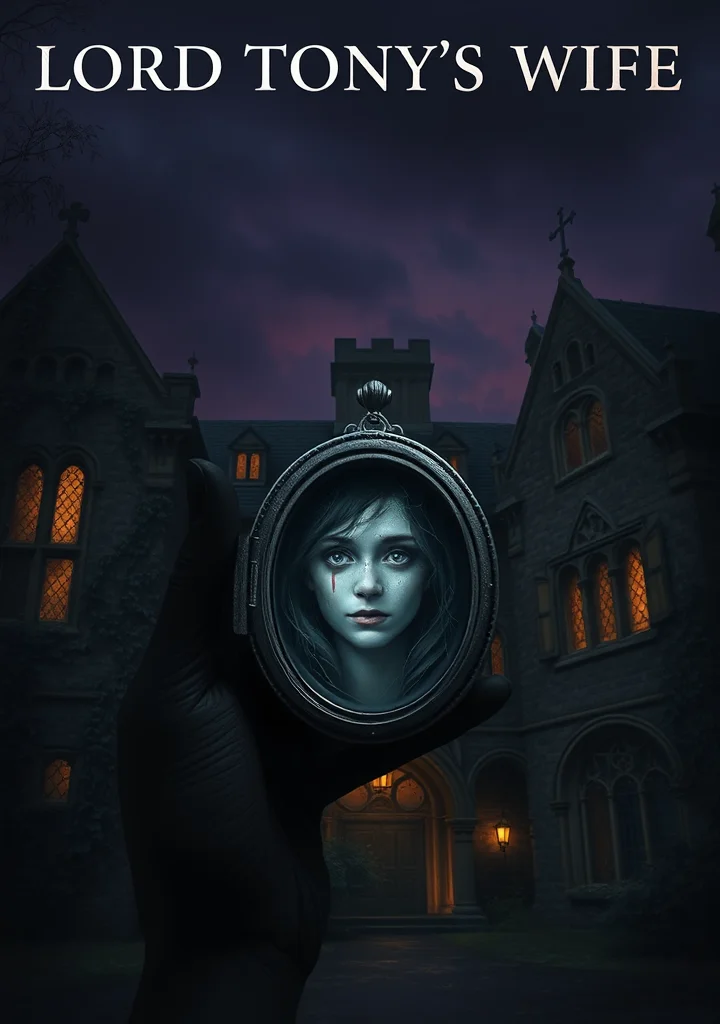
A perpetual twilight clings to Blackwood Grange, mirroring the shadowed corners of Lady Eleanor’s heart. Married to the infamous Lord Tony, a man whispered to have dealings with shadows and debts owed in crimson, she finds herself a gilded cage within his ancestral estate. The air hangs thick with the scent of decay – not just of crumbling stone and overgrown gardens, but of promises broken and lives forfeit. Each echoing footstep in the vast, labyrinthine halls hints at a history of betrayal, while the portraits lining the gallery seem to watch Eleanor’s descent into a chilling awareness of her husband’s true nature. A creeping dread permeates every room, woven into the very fabric of the house; a dread born not of ghostly apparitions, but of the suffocating weight of secrets held too long. The moorland surrounding Blackwood Grange breathes with a cold, hungry wind, carrying fragments of rumors and the cries of those lost to Lord Tony’s machinations. Eleanor is trapped within a suffocating elegance, where every smile feels like a calculated threat and every shadow a potential witness to her unraveling. The narrative unfolds like a slow poison, drawing the reader into a suffocating atmosphere of suspicion, where love is measured in bartered favors and loyalty is purchased with blood. The very stones of Blackwood Grange seem to weep with the despair of those who dared to cross Lord Tony’s path, and Eleanor’s fate hangs precariously balanced upon a single, unraveling thread of hope.
98 Part
A creeping fog clings to the Yorkshire moors, mirroring the secrets held within the hearts of five strangers bound together by chance and a shared, unsettling journey. The year is nineteen thirty-one, and the weight of England’s failing industries presses down on each companion like a suffocating shroud. But this is no mere tale of economic hardship. It’s a slow unraveling, a gothic pilgrimage across a landscape haunted by fractured memories and the ghosts of unspoken desires. Each character carries a fragment of a forgotten tragedy, their pasts woven into the very fabric of the crumbling pubs and desolate railway lines they traverse. The narrative breathes with a melancholic rhythm, echoing the rhythmic clatter of train wheels and the mournful cry of distant sheep. A sense of premonition hangs heavy – not of spectacular doom, but of quiet, insidious decay. The camaraderie feels brittle, laced with suspicion and a desperate need to understand the shadows lurking within their companions’ eyes. As the companions draw closer to London, the oppressive atmosphere intensifies, mirroring the city’s labyrinthine streets and the moral murk beneath its glittering façade. A creeping sense of inevitability settles upon them, hinting that their shared journey isn’t merely across England, but towards a reckoning with the darkness within themselves. It’s a story told in hushed tones, where the true horrors aren’t found in grand gestures, but in the silences between words and the chilling recognition of shared, unacknowledged grief.
70 Part
The air hangs thick with dust and the scent of decay, clinging to the shadowed corners of a decaying manor house. Within, a life unfolds not as a grand narrative, but as a series of fragmented recollections – whispers of a man diminished, both physically and in stature, swallowed by the suffocating grandeur of his ancestral home. The narrative coils like ivy around crumbling stone, a slow, deliberate unveiling of isolation. Each memory is a chipped porcelain doll, beautiful yet fractured, reflecting a childhood steeped in morbid fascination and the stifled resentment of those who towered above him. The prose is a draught from a forgotten cellar, laced with the chill of loneliness. Sunlight feels like an intrusion, unwelcome on skin that has grown accustomed to perpetual twilight. The reader is not merely told of the man’s smallness, but *feels* it – the weight of averted gazes, the echoing emptiness of rooms too vast for his presence, the insidious erosion of self-worth. The house itself breathes, a living thing that both protects and imprisons. The garden, overgrown and feral, mirrors the tangled, thorny emotions within. A palpable sense of dread permeates every chapter, not from external horrors, but from the creeping rot of a soul consumed by its own quiet desperation. It is a haunting, not of ghosts and ghouls, but of the hollow ache of being unseen, unheard, and utterly alone in a world built for giants. The final pages feel like a descent into a suffocating darkness, where the only sound is the fading echo of a life lived beneath the shadow of its own making.

63 Part
A suffocating fog clings to the cobblestones of Paris, mirroring the miasma of dread that seeps from the shadowed alleys and the decaying grandeur of the city’s heart. Gaboriau doesn’t offer a mere crime to unravel, but a descent into a labyrinthine underworld where the desperate are bound by debts of flesh and spirit to a cabal of silent, unseen masters. The air is thick with the scent of rot—not just of corpses discovered in the Seine, but of lives systematically broken down, of wills surrendered to a creeping, insidious control. Each chapter feels like a stolen glance through a keyhole, revealing glimpses of shadowed figures flitting between pawn shops and opium dens. The narrative winds through a decaying aristocracy, haunted by past sins and complicit in present ones, and a brutalized underworld of forgers, thieves, and the discarded. It’s a Paris where every whispered confidence is a transaction, every act of kindness a snare, and the boundaries between victim and predator blur into a sickening grey. The novel doesn't build to a climactic reveal, but rather unravels like a unraveling shroud, revealing not *who* commits the crimes, but *how* the very fabric of Parisian society is woven with corruption. A sense of helplessness pervades, a suffocating weight that descends with the Parisian rain. The reader is not merely observing a mystery; they’re being submerged in the moral decay of a city on the brink of collapse, where the only true currency is silence, and the price of freedom is paid in stolen breaths.
89 Part
A creeping dread clings to the shadowed corners of Evelina’s world, a world meticulously observed yet perpetually on the verge of unraveling. The narrative unfolds like a slow poison, tracing the delicate bloom of a young woman navigating a society steeped in brittle politeness and concealed malice. Every stolen glance, every misinterpreted gesture, breeds a suffocating anxiety, mirrored in the claustrophobic interiors of ballrooms and drawing-rooms. A constant, low-humming tension permeates the story—not of overt horror, but of a suffocating fear of exposure, of social ruin, of the precariousness of female dependence. The author doesn’t reveal monsters in darkness, but excavates the predatory instincts lurking *within* the light. Evelina’s own innocence, while presented as virtue, becomes a fragile shield against the predatory gazes of men who orbit her with a calculating hunger. The prose itself is a delicate, almost feverish accounting of minute social anxieties. The reader is drawn into a suffocating awareness of every averted gaze, every stifled sigh, every carefully worded phrase—each a potential snare in a labyrinth of propriety. The story breathes with the stifled air of a gilded cage, where smiles mask calculation, and every act of kindness feels laced with expectation. A creeping sense of claustrophobia settles over the pages as Evelina’s fragile hope is shadowed by the ever-present threat of social catastrophe. It’s a world where the most insidious terrors are born not from monsters, but from the exquisitely refined cruelty of the human heart.
81 Part
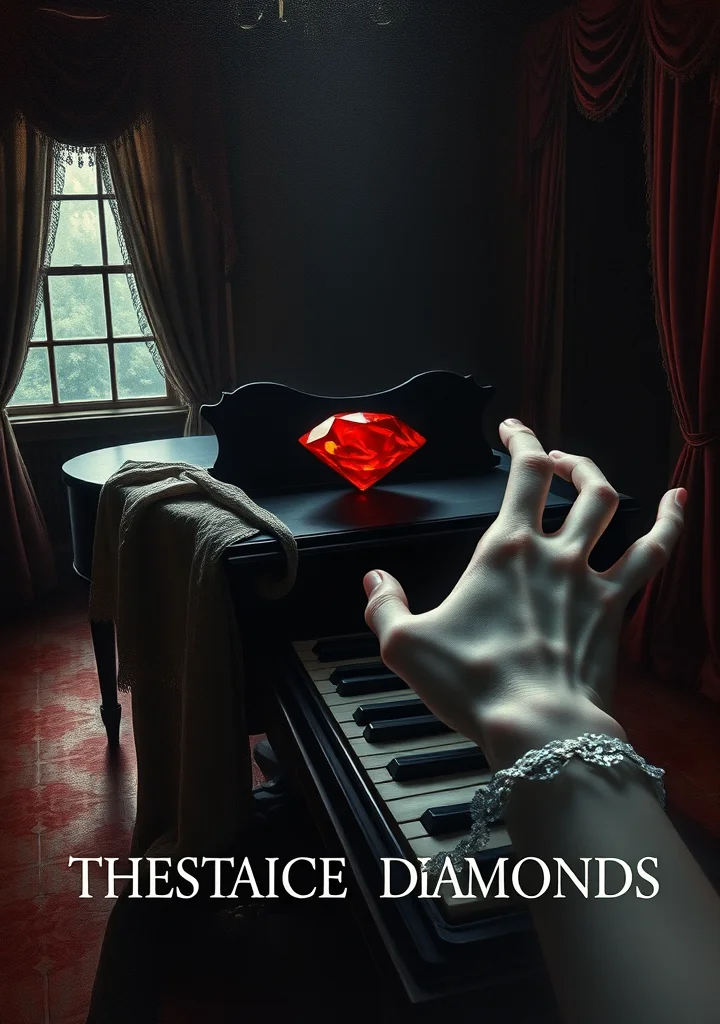
A creeping dread clings to the manor houses and polished drawing rooms of mid-Victorian England, a chill that isn't merely seasonal. The Eustace Diamonds, glittering heirlooms passed down through generations, become less jewels and more spectral witnesses to a fractured lineage. Their fate mirrors the unraveling of young Lady Eustace Greystock, a woman whose beauty and desperation intertwine with the grasping ambitions of men circling like carrion birds. The narrative unfolds in shadowed parlors and echoing hallways, where whispered anxieties and concealed debts fester beneath a veneer of polite society. A suffocating politeness masks the ravenous hunger for wealth and status, a hunger that threatens to devour the very foundations of respectability. Each glittering facet of the diamonds reflects a distorted truth, illuminating the decaying moral landscape of a world obsessed with appearances. The air is thick with the scent of fading roses and unspoken resentments, a stifling fragrance that clings to the silk gowns and tailored coats of those entangled in the diamonds’ orbit. A slow, relentless pressure builds as the novel progresses, mirroring the tightening coils of a snare. The narrative doesn’t rush, but *persists* - like the slow drip of water eroding stone, or the insidious growth of mold within a forgotten crypt. It’s a story steeped in the gray morality of provincial life, where fortunes are won and lost on a whisper, and where the weight of expectation threatens to crush the fragile bloom of a woman’s ambition. The diamonds themselves become a curse, attracting shadows and breeding decay, a glittering symbol of the rot at the heart of a gilded age.